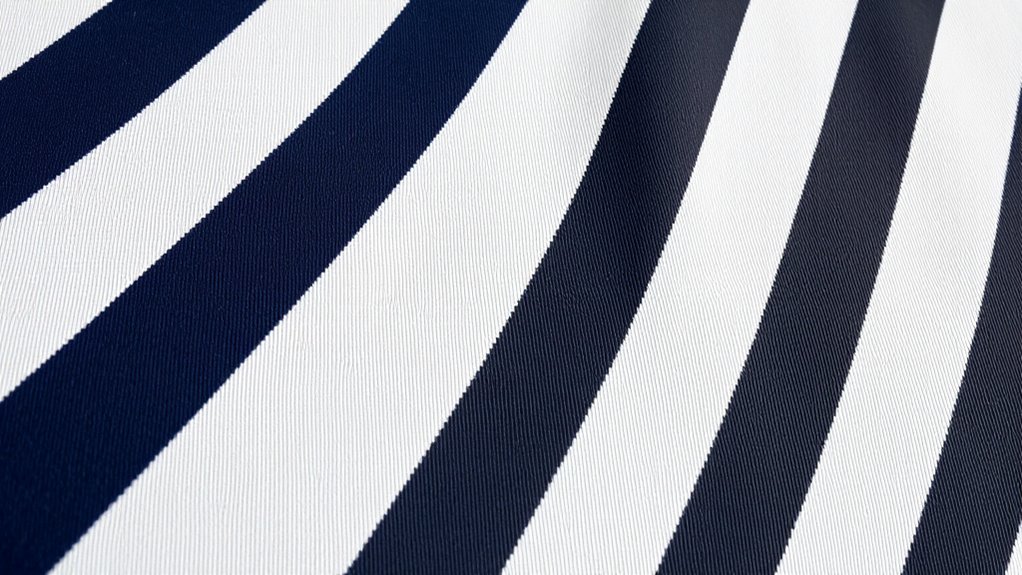

Vertical stripes make your body look taller and slimmer by drawing the eye up and down, creating an elongating effect. In contrast, horizontal stripes emphasize width, making your frame appear broader and highlighting curves. The size and placement of stripes also matter; thinner lines are subtle, while bold ones create a stronger visual impact. If you’re curious about how to use these patterns to enhance your look, there’s more to discover about their effects and styling tips.

Get furniture and decor delivered free with Prime
- Fast, free delivery on millions of items
- Prime Video, Amazon Music and more included
- Member-only deals all year
Key Takeaways
- Vertical stripes create an elongating effect, making the body appear taller and slimmer.
- Horizontal stripes emphasize width, making the frame look broader and adding visual volume.
- Stripe direction influences focus: vertical lines draw the eye upward, horizontal lines across emphasize width.
- Pattern scale and placement modify visual impact, with wide stripes creating bold effects and thin stripes subtle illusions.
- Combining stripe orientations allows for customized styling to enhance body shape and achieve desired visual balance.
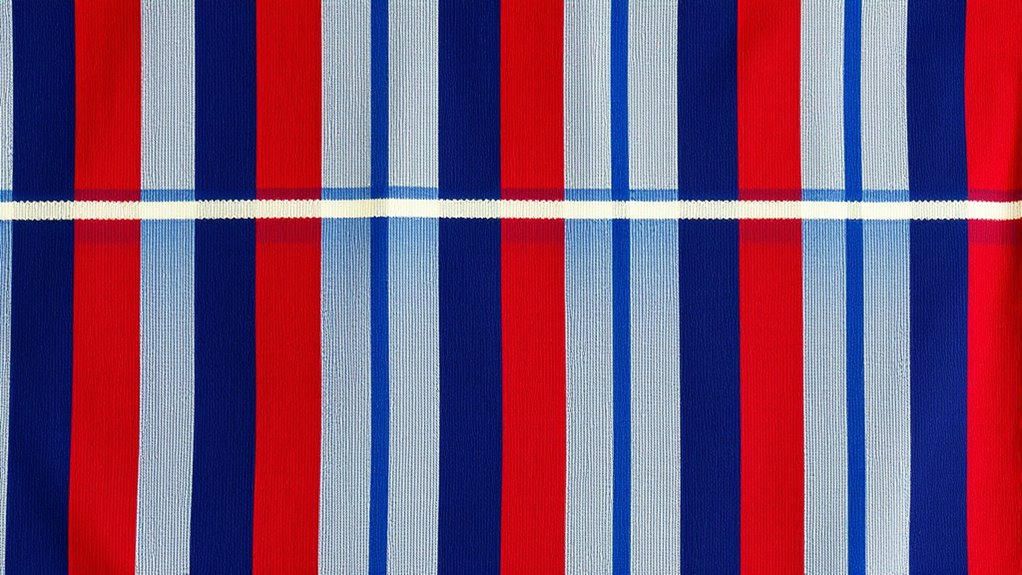
Have you ever wondered how vertical and horizontal stripes can influence the way your body looks and feels? The answer lies in optical illusions created by these patterns, which can markedly affect your overall appearance. When it comes to fashion styling, choosing the right stripe direction can help highlight your best features or create a desired visual effect. Understanding the subtle power of these patterns allows you to craft outfits that boost confidence and enhance your natural silhouette.
Vertical stripes are renowned for their elongating effect. They draw the eye up and down, making you appear taller and slimmer. If you’re looking to add height or create a streamlined look, incorporating vertical stripes into your wardrobe is a smart move. These patterns are often used in fashion styling to create a sense of height and sophistication. When you wear vertical stripes, the optical illusion they produce can subtly slim your figure by breaking up the visual field in a way that minimizes width. This makes them ideal for those who want to appear leaner or more elongated without sacrificing style.
On the other hand, horizontal stripes tend to have the opposite effect. They tend to emphasize width, making your frame appear broader. This optical illusion can be used intentionally to add volume or create a more balanced silhouette, especially if you want to highlight certain areas or add visual interest to your outfit. Horizontal stripes can be playful and bold, making them perfect for casual or statement fashion styling. When you wear horizontal stripes, your body can seem wider across the chest or hips, which can be flattering if you want to create curves or balance out narrower shoulders or hips.
It’s worth noting that the scale of the stripes also plays a role. Thin, closely-spaced stripes tend to produce a more subtle optical illusion, while bold, wide stripes have a more dramatic impact. The placement of the stripes matters too—vertical stripes on a long dress can elongate your entire silhouette, while horizontal stripes across the top can make your upper body appear broader. Combining stripe directions thoughtfully can help you achieve a tailored look suited to your body type and style goals. Additionally, the visual impact of striped patterns can be influenced by the fabric texture and color contrast, further customizing the illusion.
In fashion styling, knowing how to manipulate these optical illusions with stripe patterns gives you the power to shape your visual narrative. Whether you aim to appear taller, slimmer, or more balanced, choosing between vertical and horizontal stripes—or a clever mix—can make all the difference. By understanding these subtle effects, you can confidently select clothing that enhances your natural beauty and aligns with your personal style.
As an affiliate, we earn on qualifying purchases.
Frequently Asked Questions
How Do Stripe Colors Influence Perceived Size and Shape?
Stripe colors markedly influence how you perceive size and shape. High contrast colors, like black and white, make stripes stand out more, emphasizing the pattern’s effect. Thicker stripes tend to create a bold, more noticeable appearance, while thinner stripes look subtler. Bright or light colors can make areas seem larger, whereas darker shades can make them appear smaller. Pay attention to color contrast and stripe thickness to achieve the visual effect you want.
Can Stripe Patterns Affect Perceived Movement or Energy?
Yes, stripe patterns can influence perceived movement and energy through optical illusions. When you see dynamic stripes, your eyes interpret the patterns as motion or vibrancy, creating a sense of visual dynamism. For example, diagonal or irregular stripes can make a surface appear to shift or pulse, amplifying energy. This effect draws your attention and adds a lively, animated feel to the design, enhancing its overall visual impact.
Are There Cultural Meanings Associated With Stripe Directions?
You might find that vertical stripes symbolize strength and authority in some cultures, while horizontal stripes evoke calmness and stability elsewhere. These cultural symbolisms often stem from historical associations, like military uniforms or national flags, shaping perceptions. So, when you choose stripe directions, you’re not just playing with visual effects—you’re tapping into deep-rooted cultural meanings that influence how others interpret your style and message.
How Do Stripe Patterns Impact Clothing Comfort and Fabric Behavior?
Stripe patterns influence clothing comfort and fabric behavior markedly. Horizontal stripes can sometimes restrict fabric stretch, making garments feel tighter or less flexible, which might affect comfort. Vertical stripes, on the other hand, often enhance garment fit by allowing better fabric stretch and movement. When choosing patterns, consider how the stripe direction impacts fabric flexibility and fit, ensuring you stay comfortable and confident throughout the day.
Do Stripe Patterns Influence Spatial Perception in Interior Design?
Yes, stripe patterns influence your spatial perception in interior design. Vertical stripes create optical illusions that make ceilings seem taller, adding height to a room, while horizontal stripes add visual tension, making spaces feel wider or more expansive. You can use these effects intentionally to alter how a room feels, guiding your perception of size and proportion with strategic stripe placement.
As an affiliate, we earn on qualifying purchases.
Conclusion
Ultimately, choosing between vertical and horizontal stripes depends on your goal. If you want to look taller and slimmer, go for verticals; if you aim for a broader look, horizontals work better. Remember, “Clothes make the man,” so select patterns that best express your style and shape. By understanding these visual effects, you can confidently use stripes to enhance your appearance and make a lasting impression.
As an affiliate, we earn on qualifying purchases.
As an affiliate, we earn on qualifying purchases.
Fall Picks
fall essentials
As an affiliate, we earn on qualifying purchases.