Choosing between staple, stretch, or paste techniques for fabric wallcoverings depends on your style and needs. Stapling is quick and ideal for temporary solutions, while stretching creates a sleek, modern look with minimal fasteners, perfect for a durable finish. Pasting uses adhesive like traditional wallpaper, offering a permanent and textured appearance. Each method has its benefits; exploring these options can help you find the best fit for your space. If you keep exploring, you’ll discover more about how to implement each effectively.
Key Takeaways
- Stapling is ideal for temporary applications and easy removal, but may leave small holes; suitable for concealable fabrics.
- Stretching creates a sleek, seamless look with minimal fasteners, using tension and specialized tools for durability.
- Pasting involves adhesive application similar to wallpaper, offering a permanent solution for textured or durable fabrics.
- Eco-friendly fabric options like organic cotton and recycled materials enhance sustainability and indoor air quality.
- Selection of installation method depends on fabric type, desired permanence, aesthetic goals, and wall surface conditions.

Have you ever considered using fabric as wallcovering to transform your space? It’s an innovative way to add texture, warmth, and personality to any room. Fabric wallcoverings are gaining popularity because they offer a unique aesthetic and can be environmentally friendly when you choose sustainable materials. They also allow for creative expression, making your walls truly one-of-a-kind. However, understanding the different installation techniques—staple, stretch, or paste—is essential to achieving the best results and guaranteeing your project’s success.
When choosing fabric as wallcovering, sustainability should be a key consideration. Opting for sustainable materials, such as organic cotton, hemp, or recycled fabrics, helps reduce environmental impact while providing high-quality, durable options. These materials are often free from harmful chemicals, making them healthier for your home and the planet. Once you’ve selected eco-friendly fabrics, the next step is understanding how to properly install them. Each technique has its advantages and challenges, and your choice depends on your aesthetic goals, budget, and the condition of the walls.
Stapling is one of the simplest methods, especially suitable for temporary or semi-permanent applications. It involves stretching the fabric taut and attaching it to the wall using staples along the edges or discreetly behind the fabric. This technique is quick and allows for easy removal or replacement. However, it might leave small holes or marks, so it’s best for fabrics that can be easily concealed or for spaces where temporary solutions are sufficient. Proper preparation of the wall surface, ensuring it’s smooth and clean, is essential to prevent wrinkles or sagging.
Stretching techniques involve attaching the fabric to a frame or using tension to keep it tight against the wall. This method creates a sleek, modern look and minimizes the need for adhesives or fasteners directly on the fabric. It’s particularly effective for larger installations or when you want a seamless appearance. To execute this correctly, you’ll need to understand tensioning techniques and possibly use specialized tools to maintain even stretch. This approach is more labor-intensive but offers a refined finish that’s both durable and visually appealing.
Pasting is similar to traditional wallpaper application, where adhesive is applied directly to the fabric or the wall. This method is ideal for textured fabrics or those that require a more permanent installation. Using proper installation techniques ensures the adhesive is evenly spread, preventing bubbles or wrinkles. When working with sustainable materials, select adhesives that are low in volatile organic compounds (VOCs), aligning with eco-conscious practices. Proper surface preparation—such as cleaning and priming the wall—enhances adhesion and longevity.

Roman PRO-880 Wallpaper Adhesive, Ultra Clear Strippable – 1-Gallon
- Versatile Wallcovering Compatibility: Suitable for various wallpaper types and weights
- Easy Application: Apply with roller, brush, or pasting machine
- Enhanced Slip for Positioning: Facilitates easier wallpaper alignment
As an affiliate, we earn on qualifying purchases.
As an affiliate, we earn on qualifying purchases.
Frequently Asked Questions
How Long Does Fabric Wallcovering Typically Last?
Fabric wallcovering typically lasts between 5 to 15 years, depending on durability factors like material quality, application method, and maintenance. If you choose high-quality fabric and guarantee proper installation, you can extend its lifespan considerably. Regular cleaning and avoiding excessive moisture also help. Keep in mind that lifespan considerations vary based on room usage and environmental conditions, so proper care is essential to maximize your fabric wallcovering’s longevity.
Can Fabric Wallcovering Be Removed Easily?
Yes, fabric wallcovering can be removed, but the ease depends on your removal process and adhesive options. If you used a peelable adhesive, it comes off more easily, often with gentle peeling or scraping. For permanent adhesives, you might need to apply a remover or steam to loosen the fabric. Always test a small area first, and follow the removal process carefully to avoid damaging your walls.
Is Fabric Wallcovering Suitable for High-Moisture Areas?
You wouldn’t want fabric wallcovering in a water park, but for high-moisture areas, it’s surprisingly suitable! Its moisture resistance keeps it from soaking up water like a sponge, and its fabric durability guarantees it withstands humidity and splashes. While not perfect for intense wet zones, it performs well in kitchens and bathrooms, adding style without sacrificing resilience. Just ensure proper sealing and maintenance, and it’ll stay beautiful and functional.
What Maintenance Is Required for Fabric Wallcoverings?
To maintain your fabric wallcoverings, you should follow regular cleaning routines like gentle dusting or vacuuming with a brush attachment. For stains, use a mild soap solution and spot clean carefully. Repair techniques include patching small tears or reapplying adhesive for loose edges. Avoid harsh chemicals, and always test cleaning methods on a hidden area first to preserve the fabric’s appearance and integrity.
Are There Eco-Friendly Fabric Options for Wallcovering?
Yes, you can choose eco-friendly fabric options for wallcoverings. While some worry about durability, sustainable textiles made from organic fibers offer both durability and environmental benefits. These fabrics are often made without harmful chemicals, making them safer for your home and the planet. By selecting organic fibers, you support sustainable practices and enjoy beautiful, eco-conscious wall coverings that are stylish, durable, and better for the environment.
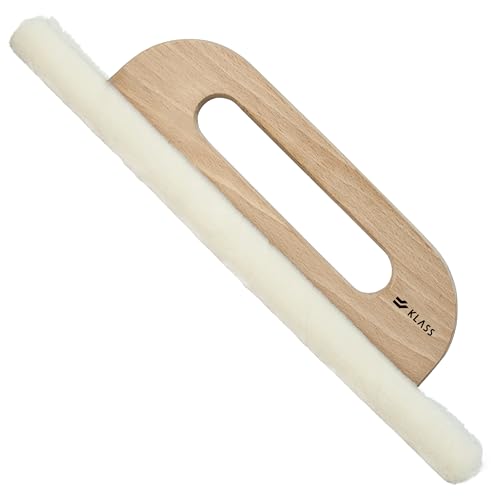
KLASS Woven Wallpaper Smoothing Tool for Smoothing Delicate Wallcoverings, 13-inches
- Suitable for Delicate Wallpapers: 5mm woven polyester nap for delicate surfaces
- Gentle on Wallcoverings: Soft, woven design prevents scratches
- Trusted Japanese Brand: Over 75 years of quality craftsmanship
As an affiliate, we earn on qualifying purchases.
As an affiliate, we earn on qualifying purchases.
Conclusion
Choosing fabric as wallcovering is like painting with texture—you add depth, warmth, and personality to your space. Whether you staple, stretch, or paste, each method offers a unique way to transform your walls into a canvas of comfort. Think of fabric as a gentle breeze that softens a room’s harsh edges, turning a blank wall into a cozy hug. Embrace the versatility, and let your walls tell a story as rich as the fabric itself.
removable fabric wallcovering staples
As an affiliate, we earn on qualifying purchases.
As an affiliate, we earn on qualifying purchases.

Ansehan Grasscloth Textured Wallcovering W1102 Chalk 36" W x8 Yard L Paper Weave Textured, Modern, Non Prepasted Natural Home Décor for Living Sapce, Dingo/Beige/Ivory
- Roll Size: 36 inches x 8 yards
- Material: 100% natural paper fabric
- Water-Based Pigment: Eco-friendly and non-toxic
As an affiliate, we earn on qualifying purchases.
As an affiliate, we earn on qualifying purchases.