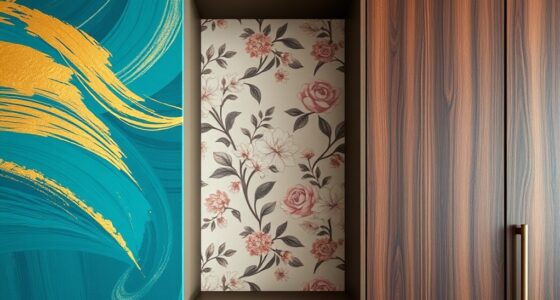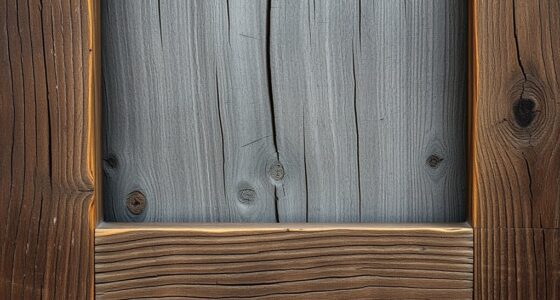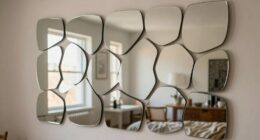
Shadow gap details create sleek, seamless wall reveals that emphasize clean lines and modern aesthetics in interior design. They hide joints between walls and ceilings, offering a minimalist look that feels spacious and refined. When combined with concealed lighting, these gaps add depth and warmth to your space. If you want to discover how to implement these subtle progressions effectively, there’s more to explore about their design and craftsmanship.
Key Takeaways
- Shadow gaps create seamless transitions between walls and ceilings, emphasizing clean, modern lines without visible moldings.
- They are typically concealed within structural elements to maintain a sleek, minimalist aesthetic.
- When combined with hidden lighting, shadow gaps enhance depth and add subtle warmth to contemporary spaces.
- Used around cabinetry and wall-ceiling junctions to hide seams and achieve a floating, uncluttered look.
- Proper construction and precise detailing are essential to achieve consistent, refined shadow gap effects in modern design.

A shadow gap is a subtle yet impactful detail in interior and exterior design that creates clean, seamless shifts between surfaces. This design element isn’t just about aesthetics; it’s about achieving a refined, polished look that emphasizes simplicity and precision. When you incorporate shadow gaps into your space, you’re embracing a modern approach that highlights craftsmanship and attention to detail. These gaps are often concealed within the structure, allowing your walls and ceilings to appear as if they flow effortlessly into each other, free from visible moldings or trim. This creates a sleek, uncluttered environment that feels both spacious and sophisticated.
One of the key advantages of using shadow gaps is their compatibility with a minimal aesthetic. Instead of distracting moldings or ornate trims, shadow gaps provide a subtle visual cue that defines edges without overwhelming the overall design. They help maintain a clean line that enhances the sense of openness in a room. When combined with concealed lighting, shadow gaps become even more striking. Concealed lighting, hidden within or behind the gaps, casts soft, indirect light that accentuates the clean lines and adds depth to the space. This technique not only amplifies the minimal aesthetic but also creates a warm, inviting atmosphere, drawing attention to the architectural details without cluttering the visual plane.
Shadow gaps enhance minimal design by subtly defining edges and emphasizing clean lines with concealed, warm lighting.
You can use shadow gaps around cabinetry, walls, and ceilings to create a cohesive look that feels contemporary and uncluttered. For example, in a kitchen, a shadow gap between the wall and cabinetry can hide the seam, giving the impression of a floating cabinet. Similarly, in a living room, a shadow gap at the junction of wall and ceiling can emphasize height and scale, especially when paired with concealed LED strips that cast a gentle glow. The key is in the precision of the gap—small enough to be subtle but deliberate enough to define the space. This approach lends a sense of craftsmanship and intentionality, elevating your design from ordinary to refined.
In essence, shadow gaps are about creating an environment where every detail counts. They allow for sleek, modern lines that emphasize simplicity while offering opportunities for creative lighting solutions. When you prioritize concealed lighting within these gaps, you’re not just highlighting architectural features—you’re shaping an atmosphere that feels both minimalist and thoughtfully curated. This combination of shadow gaps and concealed lighting transforms your space into a modern, elegant retreat that exemplifies clean design and understated luxury.
Additionally, the precision in creating shadow gaps is essential for achieving a truly seamless look that enhances overall harmony in your interior space.

LYTARA Dimmable Cordless Picture Light with Controller and Timer, Rechargeable 5000mAh Battery Wall Sconce for Wall Pictures, Gallery Artwork, Paintings, Portraits, Dartboards (Gold)
LYTARA Dimmable Cordless Picture Light: Illuminate your wall pictures, gallery artwork, paintings, portraits, and dartboards with our elegant...
As an affiliate, we earn on qualifying purchases.
Frequently Asked Questions
What Are the Best Materials for Shadow Gap Installations?
For shadow gap installations, you should consider materials like MDF, plywood, or solid wood for their ease of shaping and clean lines. Aluminum or steel can add a sleek, modern touch if you favor metal. The best installation techniques involve precise measuring, careful cutting, and secure mounting to guarantee the gap remains uniform. Using high-quality sealants and proper finishing will also help attain a seamless, professional look.
How Long Does It Typically Take to Install Shadow Gaps?
The installation timeline for shadow gaps usually takes about one to three days, depending on your space size and complexity. You should plan your renovation carefully, allowing extra time for precise measurements and finishing touches. If you’re organized, you can speed up the process and guarantee a clean, professional look. Proper planning and choosing skilled installers will help you meet your renovation goals efficiently.
Can Shadow Gaps Be Customized for Curved Walls?
Yes, shadow gaps can be customized for curved walls. You’ll find shadow gap flexibility allows for seamless integration with curved wall designs, creating a clean, modern look. Skilled installers can adapt the reveal to match gentle or complex curves, ensuring a consistent shadow line. This customization enhances your space’s aesthetic, offering a sleek finish that complements the curvature perfectly. Just discuss your specific wall shape with your professional for the best results.
What Maintenance Is Required for Shadow Gap Reveals?
You should regularly clean your shadow gap reveals to keep dust and dirt from building up, especially in high-traffic areas. For example, a homeowner with sleek modern walls noticed grime accumulating in the reveal; they used a soft cloth and mild cleaner. Conduct seasonal inspections to check for any damage or paint chipping. Maintaining a consistent cleaning routine and timely inspections guarantees your wall reveals stay pristine and functional.
Are Shadow Gaps Suitable for High-Moisture Environments?
Shadow gaps can be suitable for high-moisture environments if you choose materials with strong moisture resistance and durability. Opt for waterproof or moisture-resistant finishes like sealed MDF or PVC, which prevent water infiltration and damage. Regular maintenance, such as sealing gaps and cleaning to prevent mold buildup, helps guarantee longevity. When properly selected and maintained, shadow gaps can enhance your space without compromising their performance in humid areas.
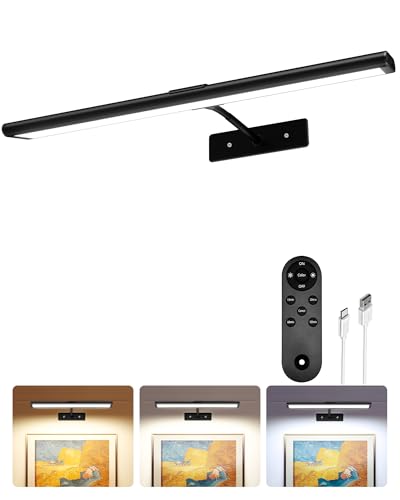
EZVALO Picture Light for Wall, 4800mAh Rechargeable Wireless Remote Battery Lights for Painting, 16In Dimmable Magnetic LED Art Display Light, Colors Temperatures, for Gallery, Living Room,Hallway
USB Rechargeable & Easy Charge: Our picture light with with built-in 4800mAh large-capacity battery and comes with a...
As an affiliate, we earn on qualifying purchases.
Conclusion
By mastering shadow gap details, you can elevate your interior design with sleek, modern wall reveals. Imagine transforming a plain living room into a stunning space—just like a homeowner who added shadow gaps around their kitchen cabinets, creating a seamless, minimalist look. These subtle details not only enhance aesthetics but also showcase your craftsmanship. So, don’t overlook the power of shadow gaps; they’re the secret to achieving a polished, contemporary finish in your projects.

Aipsun 4 Pack Black Modern LED Wall Sconce Hardwired Indoor Wall Lights Up and Down Wall Mount Light for Living Room Bedroom Hallway Corridor Conservatory Warm White 3000K(with G9 Bulbs)
Soft and homely:The wall sconce supplied with a Energy-saving and Non-flickering 9W LED G9 bulb (3000K warm white)...
As an affiliate, we earn on qualifying purchases.

Tassuowell Wireless Picture Lights for Wall Rechargeable, Battery Operated Art Light for Paintings, 3CCT Dimmable, 15.7" Brass Finish with Remote, Rotatable Gallery Light for Pictures Display
[Powerful Rechargeable Battery] This 15.75 inch wireless LED picture light has a built-in 5000mAh rechargeable battery and comes...
As an affiliate, we earn on qualifying purchases.