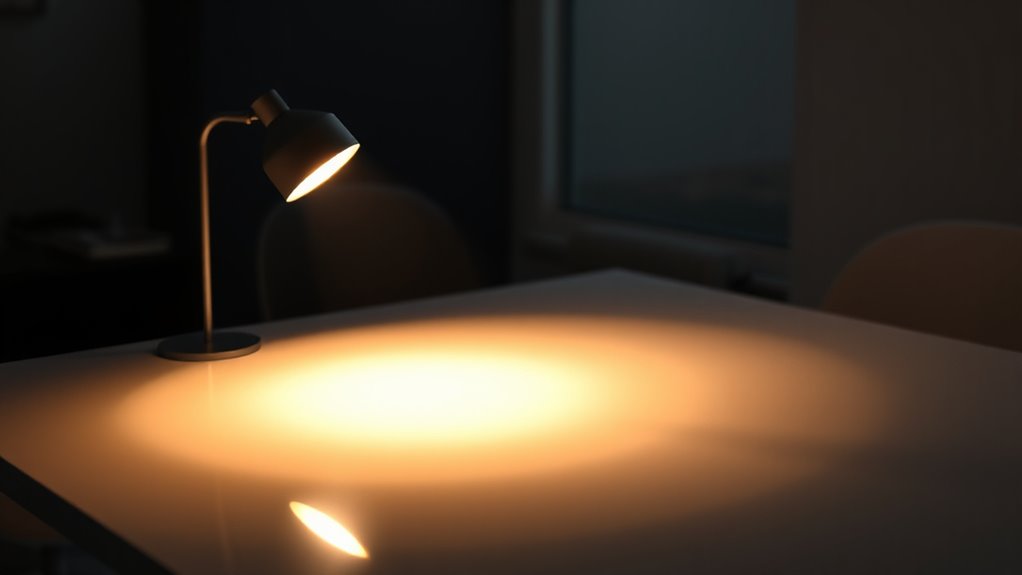

To minimize glare, choose fixtures with wider beam angles for even light distribution and avoid narrow, focused beams that create harsh shadows. Position lights carefully, keeping fixtures out of direct line of sight and away from reflective surfaces. Diffusing elements like frosted covers can soften the output, while adjustable fixtures let you fine-tune the spread. By balancing beam angles and strategic placement, you’ll create a comfortable, glare-free environment—continue exploring to learn more strategies.
Key Takeaways
- Use wider beam angles for diffuse lighting, reducing harsh shadows and glare.
- Position fixtures to avoid direct line-of-sight into bulbs or reflective surfaces.
- Incorporate diffusing elements like frosted covers to soften light output.
- Place lights away from reflective surfaces to prevent unwanted glare and reflections.
- Employ adjustable fixtures to fine-tune beam angle and optimize light spread for comfort.
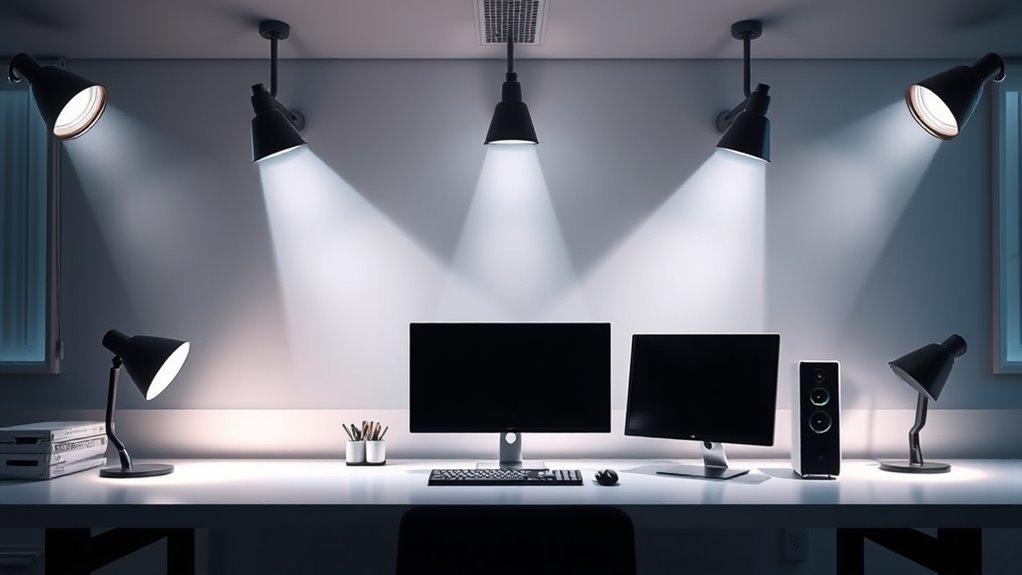
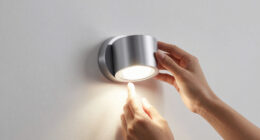
Have you ever wondered how the angle and placement of your lighting affect the overall look of a space? It’s a pivotal aspect of interior design that often gets overlooked, but it can make a significant difference in how your space feels and functions. One key factor to consider is the beam angle of your light fixtures, which directly impacts how light is distributed across a room. A narrow beam concentrates light in a small area, creating focal points and highlighting specific features, while a wider beam spreads light more evenly, perfect for general illumination. When it comes to minimizing glare, understanding and adjusting beam angles is essential. Narrow beams can sometimes cause harsh shadows or glare if placed improperly, so opting for fixtures with a broader beam or diffusing light helps soften the output, making the space more comfortable and visually appealing. Proper placement also plays a critical role. Installing lights too close to reflective surfaces or at sharp angles can create unwanted glare that distracts or causes discomfort. Instead, position fixtures thoughtfully to avoid direct line-of-sight into the bulb or reflective surfaces, which helps diffuse light more evenly and reduces glare. It’s about creating a balanced lighting scheme where each fixture complements the others, contributing to an overall aesthetic design that feels natural and inviting. Using diffusing elements, such as frosted covers or fabric shades, is another effective way to soften light and minimize glare. These add a layer of diffusion that spreads light more uniformly, preventing hotspots and harsh shadows. Additionally, selecting lighting fixtures with adjustable beam angles allows you to customize the light spread to suit different areas and tasks within your space. When planning your lighting, consider how the placement and angle influence aesthetic design—aiming for a cohesive look that enhances architectural features without overwhelming the space with brightness or glare. Strategically positioning fixtures to highlight artwork, textures, or architectural details while avoiding direct glare ensures your space remains inviting and functional. Remember that the goal is to balance brightness with comfort, creating a space that’s both visually pleasing and easy on the eyes. Proper beam angle and thoughtful placement allow you to manipulate light to emphasize the beauty of your interior, all while keeping glare at bay. By paying attention to these details, you can craft a lighting environment that elevates your aesthetic design and makes every corner of your space feel thoughtfully curated. Ultimately, understanding how to diffuse light and position fixtures correctly empowers you to create a more harmonious, glare-free setting that enhances both form and function.
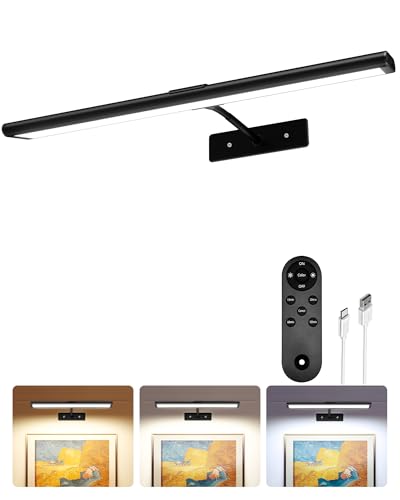
EZVALO Picture Light for Wall, 4800mAh Rechargeable Wireless Remote Battery Lights for Painting, 16In Dimmable Magnetic LED Art Display Light, Colors Temperatures, for Gallery, Living Room,Hallway
USB Rechargeable & Easy Charge: Our picture light with with built-in 4800mAh large-capacity battery and comes with a...
As an affiliate, we earn on qualifying purchases.
Frequently Asked Questions
How Does Beam Angle Affect Energy Efficiency?
A narrower beam angle improves energy efficiency by focusing light into a smaller area, reducing wasted light and minimizing glare. This creates a more controlled light distribution and enhances beam spread, ensuring the light reaches where you need it most. By optimizing beam angle, you use less energy for the same illumination, making your lighting setup more efficient. Proper placement further enhances this effect, maximizing your energy savings.
Can Adjustable Beam Angles Reduce Glare?
Yes, adjustable beam angles can reduce glare by allowing you to customize lighting control and better direct light away from your eyes. With glare mitigation in mind, you can narrow or widen the beam as needed, minimizing harsh reflections and bright spots. This flexibility helps create a more comfortable environment, especially in workspaces or display areas, ensuring ideal lighting while reducing eye strain and improving overall visual comfort.
What Are the Best Placement Tips for Sensitive Areas?
You should position artificial lighting at a 30-degree angle to sensitive areas to reduce glare, as studies show proper placement cuts glare by up to 40%. Keep lights away from direct eye line and use warm color temperature bulbs to create a calming environment. Adjusting the beam angle to focus light precisely helps minimize spill, ensuring comfort without sacrificing illumination. Proper placement makes a significant difference in sensitive spaces.
How Do Different Surfaces Impact Glare Reduction?
Different surfaces greatly impact glare reduction by affecting surface reflectivity and glare scattering. You’ll notice that matte surfaces, with low reflectivity, minimize glare and diffuse light, making areas more comfortable. Conversely, shiny or glossy surfaces reflect more light, increasing glare and scattering it in various directions. To reduce glare, opt for matte finishes and avoid reflective materials in sensitive areas, ensuring a more comfortable and visually pleasant environment.
Is There a Recommended Beam Angle for Outdoor Lighting?
For outdoor lighting, a beam angle between 30° and 60° is recommended to reduce glare and guarantee even illumination. Narrower angles focus light more precisely, ideal for highlighting specific features, while wider angles provide broader coverage. You should choose a beam angle based on your outdoor space size and purpose, ensuring the light is directed appropriately to minimize glare and maximize efficiency.

LYTARA Dimmable Cordless Picture Light with Controller and Timer, Rechargeable 5000mAh Battery Wall Sconce for Wall Pictures, Gallery Artwork, Paintings, Portraits, Dartboards (Gold)
LYTARA Dimmable Cordless Picture Light: Illuminate your wall pictures, gallery artwork, paintings, portraits, and dartboards with our elegant...
As an affiliate, we earn on qualifying purchases.
Conclusion
By choosing the right beam angle and careful placement, you can minimize glare, enhance visibility, and create a comfortable environment. Adjust the beam angle to suit your space, position fixtures thoughtfully to reduce direct glare, and prioritize comfort without sacrificing illumination. When you focus on proper placement and best beam angles, you improve safety, boost productivity, and enjoy a visually pleasing setting. Take control of your lighting, and turn your space into a well-lit, glare-free zone.

Glendan LED Picture Light: Adjustable Aperture with Zoomable Projection — 2700–6500K High CRI Flicker-Free Smart Control — Perfect Art Light for Artwork in Museums and Galleries
Vivid Viewing Experience: This led picture light integrates anti-glare optics, high CRI 95+, and ultra-clear projection. Visitors enjoy...
As an affiliate, we earn on qualifying purchases.

Tassuowell Wireless Picture Lights for Wall Rechargeable, Battery Operated Art Light for Paintings, 3CCT Dimmable, 15.7" Brass Finish with Remote, Rotatable Gallery Light for Pictures Display
[Powerful Rechargeable Battery] This 15.75 inch wireless LED picture light has a built-in 5000mAh rechargeable battery and comes...
As an affiliate, we earn on qualifying purchases.