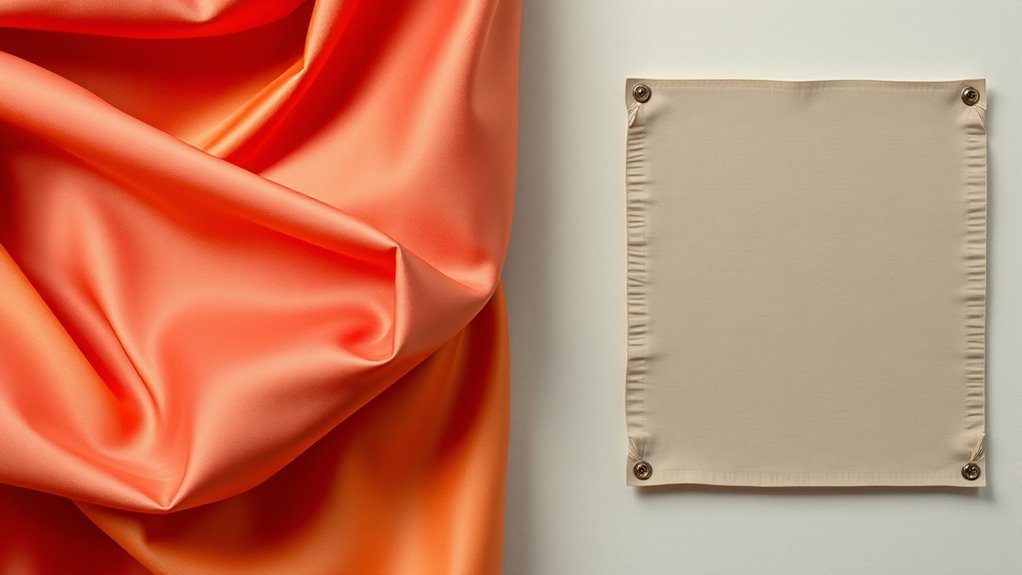
When choosing between stretch framing and mounting for fabrics and textiles, consider their condition and display needs. Stretch framing pulls the fabric taut for a smooth, modern look but can stress fragile fibers over time. Mounting attaches textiles to a backing with minimal tension, ideal for delicate pieces. Each method affects long-term preservation differently—if properly done. To find out which approach suits your textiles best, explore the details ahead.

Get furniture and decor delivered free with Prime
- Fast, free delivery on millions of items
- Prime Video, Amazon Music and more included
- Member-only deals all year
Key Takeaways
- Stretch framing pulls fabric tight over a backing for a smooth, modern look, while mounting attaches fabric without tension for a relaxed display.
- Stretch framing applies tension that may stress fibers, risking damage over time; mounting minimizes stress by avoiding tension.
- Use acid-free, gentle materials in both methods to preserve textile integrity and prevent deterioration.
- Stretch framing is ideal for durable textiles needing a sleek appearance; mounting suits fragile or valuable fabrics for long-term preservation.
- Proper tensioning and handling are essential in stretch framing, whereas mounting emphasizes gentle attachment to protect delicate fibers.
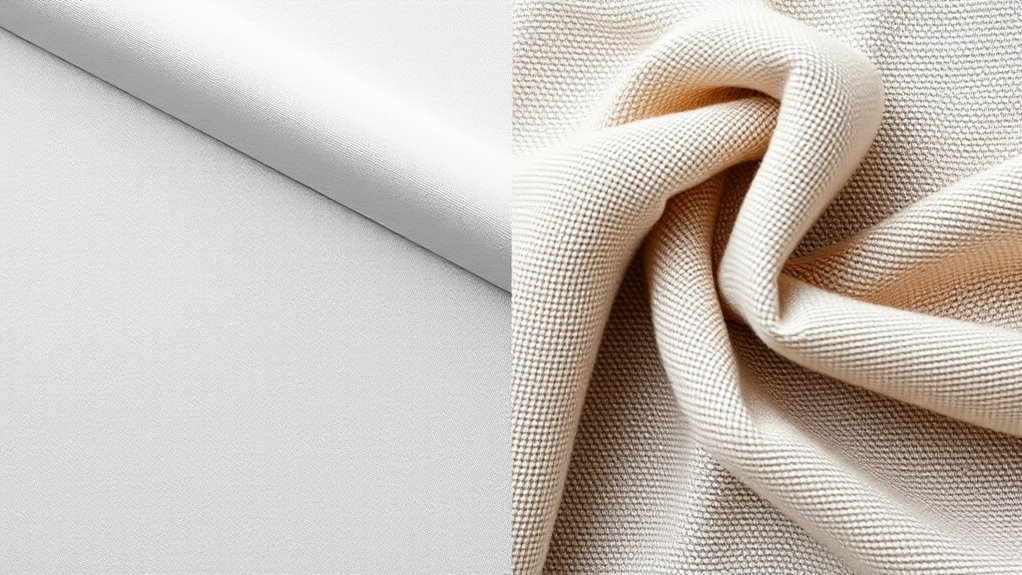
Have you ever wondered how different framing techniques affect the appearance and durability of fabrics and textiles? When choosing between stretching and mounting, understanding how each method influences fabric durability and preservation techniques is essential. Your goal is to display textiles beautifully without compromising their integrity over time. The way you frame your textiles can make a significant difference in how long they last and how well they retain their original qualities.
Stretch framing involves pulling the fabric tight over a backing or frame, creating a smooth, taut surface. This technique is popular for textiles like tapestries or art pieces where a clean, flat appearance is desired. However, you need to be cautious because excessive tension can stress the fibers, leading to potential damage over time. The key to maintaining fabric durability in stretch framing lies in proper tensioning and using gentle, non-abrasive materials during the process. Preservation techniques such as using acid-free backing boards and ensuring even tension help prevent sagging, creases, or weakening of the textile fibers. Proper stretching distributes tension evenly, reducing the risk of localized stress points that could cause tearing or deformation. Additionally, understanding the long-term effects of tension on textiles can guide better framing decisions.
Proper tension and gentle materials are key to durable stretch framing of textiles.
Mounting, on the other hand, entails attaching the textile to a backing surface without pulling it tight. This method offers a more relaxed display, which can be better suited for delicate or fragile fabrics. Mounting minimizes stress on the textile fibers, helping preserve its original structure and preventing unnecessary strain. When you choose mounting, consider using conservation-grade materials like acid-free boards, sewn mounts, or gentle adhesives designed for textiles. These preservation techniques help protect the fabric from environmental damage, such as acid degradation or mold growth. Since mounting does not involve stretching, the risk of fiber distortion or tearing due to tension is greatly reduced, making it a preferred choice for fragile or historically significant textiles.
Ultimately, your decision between stretch and mount should depend on the textile’s condition, type, and intended display. If you want a clean, modern look and the fabric is durable enough, stretching might be suitable — just remember to apply proper tension and preservation techniques. If the textile is fragile, historically valuable, or prone to damage, mounting offers a gentler approach that prioritizes longevity. Both methods require careful handling and appropriate materials to ensure the fabric’s integrity remains intact. By understanding how each framing technique impacts fabric durability and employing proper preservation techniques, you can preserve your textiles beautifully for years to come while showcasing them effectively.
acid-free textile mounting board
As an affiliate, we earn on qualifying purchases.
As an affiliate, we earn on qualifying purchases.
Frequently Asked Questions
Which Framing Method Offers Better Long-Term Fabric Preservation?
You should choose the mount framing method for better long-term fabric preservation. Mounting uses preservation methods that minimize stress on the fabric, preventing distortion and degradation over time. Stretch techniques can sometimes cause tension that damages delicate textiles. By opting for mounting, you guarantee your textiles are supported gently and securely, preserving their integrity. This method reduces the risk of deterioration, helping your fabric stay vibrant and intact for years to come.
How Do Stretching and Mounting Affect Fabric Color Integrity?
Did you know that improper stretching or mounting can cause up to 30% of fabric dye loss over time? When you stretch fabric tightly, it may stretch fibers and disrupt dye stability, leading to color fading. Mounting, especially if done with adhesives, can also affect fabric dye stability by trapping moisture or chemicals that cause discoloration. To prevent color fading, handle fabrics gently and choose framing methods that protect dye integrity.
Are There Specific Fabrics That Shouldn’t Be Stretched or Mounted?
You should avoid stretching or mounting delicate fabrics like silk, velvet, or antique textiles, as their compatibility is limited. These materials are prone to damage and can suffer mounting risks, such as distortion or tearing. Always check fabric compatibility before stretching or mounting. Using improper techniques risks compromising the fabric’s integrity and colors, so opt for specialist methods or consult professionals to guarantee preservation and prevent damage.
What Tools Are Best for Precise Stretching or Mounting?
You should use tools like a canvas tensioner or a stretching plier for precise stretching, guaranteeing even tension without damaging the fabric. A staple gun or tacking hammer helps with mounting, while applying mounting adhesives evenly ensures a smooth finish. These tools give you control over the process, preventing slack or overstretching, and help achieve a professional look. Always work slowly and check tension frequently for the best results.
How Do Environmental Factors Impact Stretched Versus Mounted Fabrics?
A stitch in time saves nine, so you should consider how environmental factors affect your fabric. UV exposure can weaken stretched fabrics over time, causing them to sag or fade, while mounted fabrics are generally more stable. Humidity control is essential; high humidity may cause swelling or warping of both types, but stretched fabrics are especially vulnerable. To preserve your work, keep environments consistent and avoid extreme weather fluctuations.
As an affiliate, we earn on qualifying purchases.
Conclusion
When choosing between stretch and mount framing for fabrics and textiles, remember that your decision influences both the appearance and preservation of your piece. Did you know that over 60% of collectors prefer stretch framing for its sleek look and ease of display? By understanding these options, you can guarantee your textiles stay vibrant and well-preserved for years to come. So, consider your display needs carefully—your textiles deserve the best treatment!
conservation-grade textile mounting supplies
As an affiliate, we earn on qualifying purchases.
As an affiliate, we earn on qualifying purchases.
textile preservation framing materials
As an affiliate, we earn on qualifying purchases.
As an affiliate, we earn on qualifying purchases.
Halloween Picks
halloween
As an affiliate, we earn on qualifying purchases.