
Breathable paints and plasters help you manage vapor by allowing moisture to escape from walls while preventing water penetration. They create a flexible barrier that balances humidity levels inside your home, reducing mold growth and dampness. Using these eco-friendly materials protects your walls’ integrity and improves indoor air quality. If you want to learn more about how these products work to keep your home dry and healthy, keep exploring the options available.
Key Takeaways
- Breathable paints and plasters allow moisture vapor to escape, preventing dampness and mold inside walls.
- They form a flexible barrier that resists water ingress while enabling vapor transmission.
- Using breathable coatings helps regulate indoor humidity and promotes natural wall drying.
- They are eco-friendly, made with natural ingredients that support long-term wall health.
- Implementing these materials reduces maintenance costs and enhances indoor air quality.
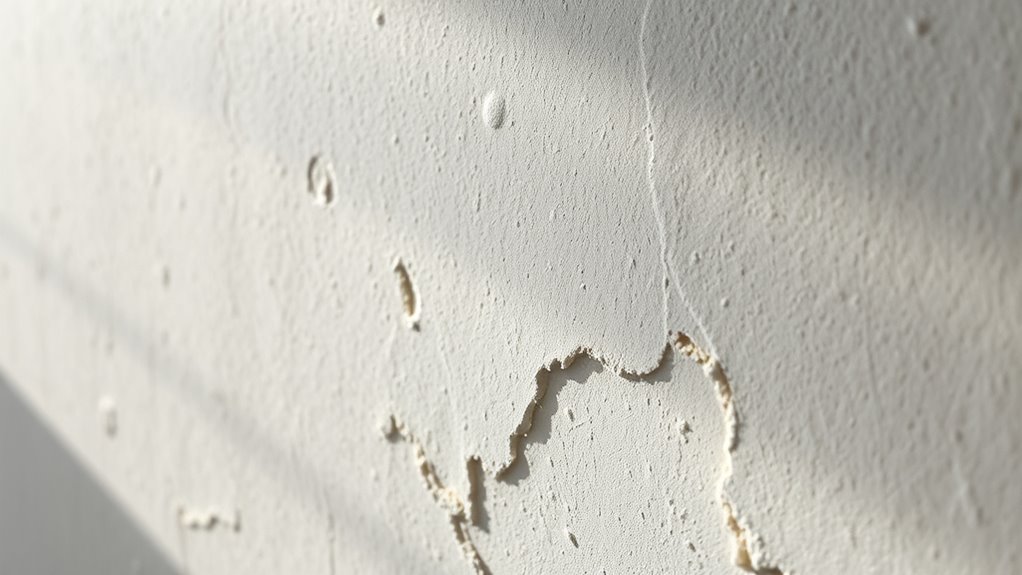
Have you ever wondered how to keep your walls healthy and free from moisture problems? The key lies in understanding moisture regulation, which is vital for maintaining good indoor air quality. When moisture gets trapped inside your walls, it can cause mold growth, structural damage, and unpleasant odors. Traditional paints often seal surfaces tightly, trapping moisture indoors and creating a humid environment that deteriorates walls over time. Breathable paints and plasters offer a smart solution by allowing vapor to pass through, helping you manage moisture effectively and keep the air inside your home fresh and healthy.
By choosing breathable coatings, you’re enabling moisture to escape rather than trapping it inside your walls. This process, known as vapor permeability, is essential for preventing dampness and ensuring your walls dry out naturally. When moisture moves freely through these materials, it reduces the risk of mold and mildew, which are major contributors to poor indoor air quality. This not only preserves the structural integrity of your walls but also creates a healthier living environment for you and your family. Breathable paints and plasters work by balancing the humidity levels within your walls, allowing excess vapor to escape while still providing a protective layer against external elements.
Breathable coatings allow moisture to escape, preventing dampness and mold for healthier walls and indoor air quality.
Implementing breathable solutions in your home is straightforward. These products are specially formulated with natural and eco-friendly ingredients that promote breathability without sacrificing durability or aesthetic appeal. When applied correctly, they form a thin, flexible barrier that permits vapor transmission but resists water penetration. This means your walls stay dry from the inside out, even in humid or damp conditions. In addition, breathable paints and plasters can help regulate indoor air quality because they reduce the buildup of indoor pollutants related to mold spores and dampness. By maintaining a healthier indoor environment, you minimize respiratory issues and allergic reactions often caused by damp and moldy walls.
Another benefit is that breathable coatings are often sustainable, eco-friendly, and free from harmful chemicals found in conventional paints. This makes them not only good for your walls but also better for the environment and your health. Regular maintenance with breathable paints can extend the lifespan of your walls, saving you money in the long run. Whether you’re renovating an old property or building a new one, integrating breathable paints and plasters is an effective way to control moisture, improve indoor air quality, and ensure your walls stay strong and healthy over time. Additionally, using air purification technologies can further enhance indoor air quality by removing airborne pollutants and allergens, complementing the benefits of breathable coatings. So, if you’re looking for a smart, sustainable way to protect your home from moisture-related issues, breathable coatings are a solution worth exploring.

White Paint for Wall, 17.6 Floz Wall Touch Up Paint With Roller
🎨 All-in-One Wall Paint Touch-Up Kit: Everything you need in one kit—specially formulated white paint for wall, roller…
As an affiliate, we earn on qualifying purchases.
As an affiliate, we earn on qualifying purchases.
Frequently Asked Questions
How Long Do Breathable Paints Typically Last Before Reapplication?
Breathable paints generally last around 5 to 8 years before needing reapplication, depending on conditions. You should monitor paint durability, looking for signs of wear like peeling or fading, which indicate it’s time for a fresh coat. Proper maintenance and weather protection can extend the reapplication frequency, ensuring your walls stay protected and breathable. Regular inspections help you determine when it’s time to reapply for ideal vapor management.
Are Breathable Plasters Suitable for All Climate Types?
Breathable plasters are generally suitable for most climate types, but you should consider climate adaptability and surface compatibility. If you live in a humid or rainy region, breathable plasters help manage vapor and prevent moisture buildup. However, in extreme climates like very cold or hot environments, check if the plaster suits your surface material and climate conditions. Always consult with a professional to guarantee the best performance and durability for your specific environment.
Can Breathable Paints Be Used on Existing Non-Breathable Surfaces?
Yes, you can use breathable paints on existing non-breathable surfaces, but proper surface preparation is key. First, clean and lightly sand the surface to improve paint adhesion. Remove any loose or peeling paint to guarantee the breathable paint bonds well. Applying a suitable primer may also help. This process ensures the breathable paint adheres properly and performs effectively, allowing vapor to escape while protecting your walls.
What Is the Cost Difference Between Breathable and Traditional Paints?
You’ll find that breathable paints tend to have a slightly higher price analysis compared to traditional options, mainly because they offer enhanced moisture management. The cost comparison shows that while you might pay a bit more upfront, the benefits of preventing damp issues could save you money long-term. So, if you’re looking to protect your walls and avoid costly repairs, breathable paints could be a smart investment worth considering.
Do Breathable Paints Impact Indoor Air Quality Over Time?
Breathable paints generally improve indoor air quality over time by reducing VOC emissions and preventing mold growth. You’ll notice less musty odors and healthier air, especially in damp or poorly ventilated areas. These paints allow moisture to escape, decreasing mold resistance issues. As a result, your indoor environment stays fresher and safer, promoting better health for everyone inside your home or building.
moisture regulating plasters
As an affiliate, we earn on qualifying purchases.
As an affiliate, we earn on qualifying purchases.
Conclusion
By choosing breathable paints and plasters, you’re gently nurturing your home’s natural harmony. These subtle solutions help delicate walls breathe, preventing moisture buildup and hidden issues. Embrace this gentle touch for a healthier, more comfortable space that quietly safeguards your sanctuary. When you prioritize these mindful choices, you’re softly guiding your home toward lasting beauty and well-being, ensuring it remains a cozy haven for years to come.
eco-friendly vapor permeable paints
As an affiliate, we earn on qualifying purchases.
As an affiliate, we earn on qualifying purchases.

Flex Seal Liquid, Rubber Coating Sealant, Waterproof, Flexible, Breathable, and UV Resistant, Roof Repair, Basements, RV, Campers, Trailers, Marine, EPDM, Masonry, Clear, 16 oz
Flex Seal Liquid is liquid rubber in a can! Now you can brush, roll, dip or pour it…
As an affiliate, we earn on qualifying purchases.
As an affiliate, we earn on qualifying purchases.