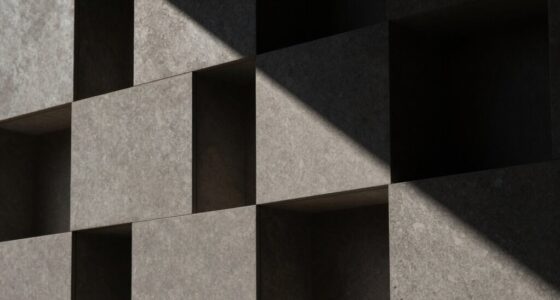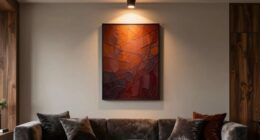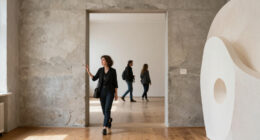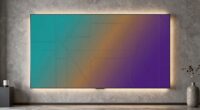
To make wallpaper feel architectural instead of just decorative, focus on combining textured patterns with strategic lighting. Use embossed, three-dimensional, or natural mimic textures to add depth, and contrast them with smooth surfaces for visual interest. Highlight these textures with directional lighting to cast shadows and emphasize contours, creating a sense of structure and dimension. Paying attention to how light interacts with the material transforms your walls into dynamic architectural features—continue exploring to reveal more design ideas.

Get furniture and decor delivered free — and shop member deals
- Fast, free delivery on millions of items
- Access to Prime Big Deal Days deals on October 6–7
- Prime Video, Amazon Music and more included
Key Takeaways
- Incorporate textured, embossed, or three-dimensional patterns to add physical depth and architectural character.
- Use contrasting textures, such as pairing matte wallpaper with raised or textured sections, to mimic architectural details.
- Highlight wall textures with directional lighting to cast shadows and emphasize depth and form.
- Focus on how light interacts with textures to create visual illusions of built-in structures and layered surfaces.
- Combine textured wallpaper with layered lighting techniques for a sculptural, architecturally integrated effect.
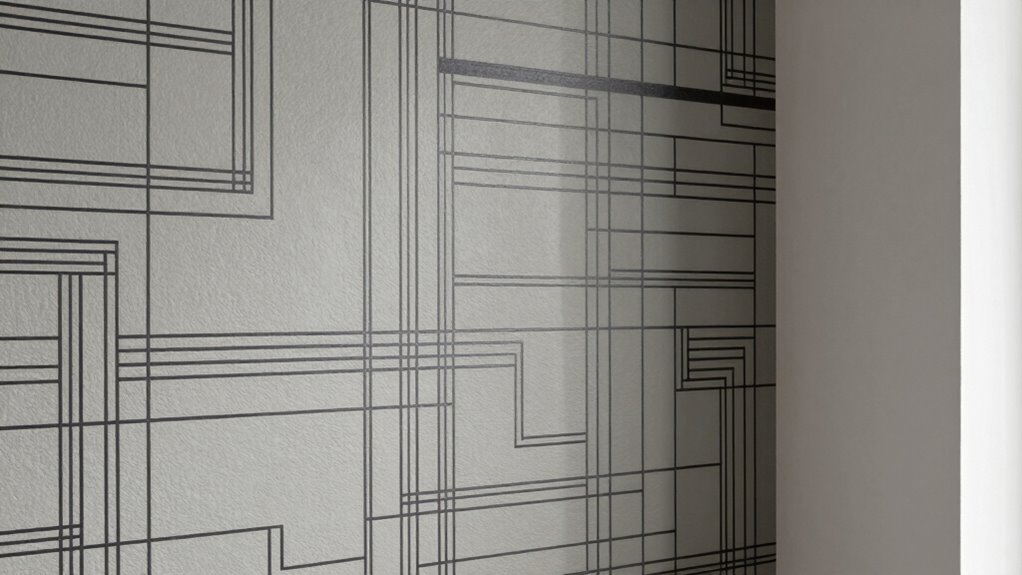
Start by selecting wallpaper with varied textures—think embossed patterns, tactile surfaces, or materials that mimic natural elements like stone or wood. When you incorporate textural contrast, it adds visual interest and creates a layered effect that mimics architectural features like paneling, molding, or textured stone walls. For example, pairing a smooth, matte wallpaper with sections of textured wallpaper can trick the eye into perceiving depth, making the wall seem more complex and substantial. You can even use wallpaper with raised patterns or three-dimensional designs to add physical depth, giving the illusion of carved or sculpted surfaces. This approach transforms a flat surface into a dynamic, engaging feature.
Mix textured wallpapers with smooth surfaces to create depth and visual interest, transforming walls into sculptural architectural features.
Lighting techniques are equally critical. Instead of relying solely on ambient lighting, experiment with directional lighting—such as wall sconces, spotlights, or LED strips—to highlight the wallpaper’s texture and architectural qualities. By casting shadows across textured surfaces, you emphasize their depth, turning a simple wall into a focal point. Position lights to cast gentle highlights and shadows that mimic natural sunlight or architectural accent lighting, which enhances the perception of dimensionality. This interplay of light and shadow creates a dynamic visual effect, making the wallpaper appear as an integral part of a three-dimensional architectural design rather than just a decorative covering.
You can also consider using layered lighting to deepen the effect. For instance, install uplights or adjustable fixtures to accentuate specific areas of the textured wallpaper. The goal is to create a play of light that reveals the wall’s contours and textures, giving it a sculptural quality. Incorporating lighting interaction with texture can help you achieve a more authentic architectural feel. The combination of textural contrast with thoughtful lighting techniques is what makes wallpaper feel architectural. It’s about transforming a flat, decorative surface into a visual and tactile experience that suggests structure, form, and craftsmanship. Additionally, understanding how light interacts with texture can help you achieve a more authentic architectural feel. Paying close attention to material choices and how they respond to light can further enhance this effect, making your walls stand out as true design features. Furthermore, experimenting with different lighting angles can reveal new aspects of the textures and deepen the architectural illusion.
In the end, it’s all about paying attention to detail and understanding how light interacts with texture. When you master this balance, your wallpaper isn’t just decoration—it becomes a built-in architectural feature that enhances the space’s overall design and character.
As an affiliate, we earn on qualifying purchases.
Frequently Asked Questions
What Types of Wallpaper Materials Create an Architectural Feel?
You should choose wallpaper materials that emphasize textural contrast and material layering to create an architectural feel. Options like embossed grasscloth, textured vinyl, or linen add depth and tactile interest, making walls appear more structural. Consider wallpapers with geometric patterns or subtle 3D effects, as these highlight form and dimension. By combining these materials thoughtfully, you’ll achieve a sophisticated, architectural look instead of a purely decorative one.
How Can Lighting Enhance Architectural Wallpaper Designs?
You can enhance architectural wallpaper designs with strategic lighting by emphasizing texture contrast and color layering. Use directional lighting to cast shadows on textured surfaces, highlighting depth and dimension. Incorporate layered lighting, such as spotlights or wall washers, to bring out subtle hues and intricate details. This interplay of light and shadow accentuates the wallpaper’s architectural qualities, making it feel more integrated and striking within your space.
Are There Specific Patterns That Evoke Architectural Elements?
Think of wallpaper patterns as the blueprint of your space; they can evoke architectural elements effortlessly. Opt for textured surfaces and geometric illusions that mimic stone, brick, or intricate moldings. Patterns with strong lines, grid layouts, or repeating arches create a sense of depth and structure. These designs transform your walls into architectural statements, making your room feel like a crafted building rather than just decorated space.
How Do Scale and Proportion Affect Wallpaper’s Architectural Impact?
You can enhance the architectural feel of wallpaper by playing with scale and proportion to create a sense of depth and structure. Opt for patterns with bold, large-scale elements paired with subtle texture contrast, which adds dimension without overwhelming. Keep color harmony in mind to maintain sophistication, ensuring the pattern complements your space’s architecture. This combination makes your wallpaper feel like a seamless extension of the room’s architectural features, rather than just decoration.
Can Wallpaper Be Combined With Other Architectural Features?
Yes, you can combine wallpaper with other architectural features. Use textured surfaces like embossed wallpaper to add depth, and incorporate color blocking to define areas or highlight architectural details. Pairing wallpaper with molding, paneling, or built-ins creates a cohesive, architectural look. Focus on aligning patterns with structural lines, which enhances the space’s visual architecture, making it feel intentional and integrated rather than just decorative.
As an affiliate, we earn on qualifying purchases.
Conclusion
By choosing wallpaper with bold patterns, textured finishes, or architectural motifs, you can transform a flat wall into a striking feature that feels like part of the structure itself. Notably, a recent survey found that 78% of homeowners believe wallpaper can considerably enhance the sense of space in a room. So, don’t be afraid to experiment—your walls can be more than decorative; they can become an integral part of your home’s architectural story.
As an affiliate, we earn on qualifying purchases.
LED wall lighting for textured walls
As an affiliate, we earn on qualifying purchases.
As an affiliate, we earn on qualifying purchases.
Fall Picks
fall essentials
As an affiliate, we earn on qualifying purchases.