TL;DR
In small, narrow kitchens, certain storage items hinder space and flow. Experts recommend avoiding 9 specific items and replacing them with 7 smarter options to optimize limited space.
Experts advise that in narrow kitchens, certain storage items can hinder space and usability. Avoiding these 9 items and replacing them with 7 strategic solutions can significantly improve organization and flow, making small kitchens more functional.

Get furniture and decor delivered free with Prime
- Fast, free delivery on millions of items
- Prime Video, Amazon Music and more included
- Member-only deals all year
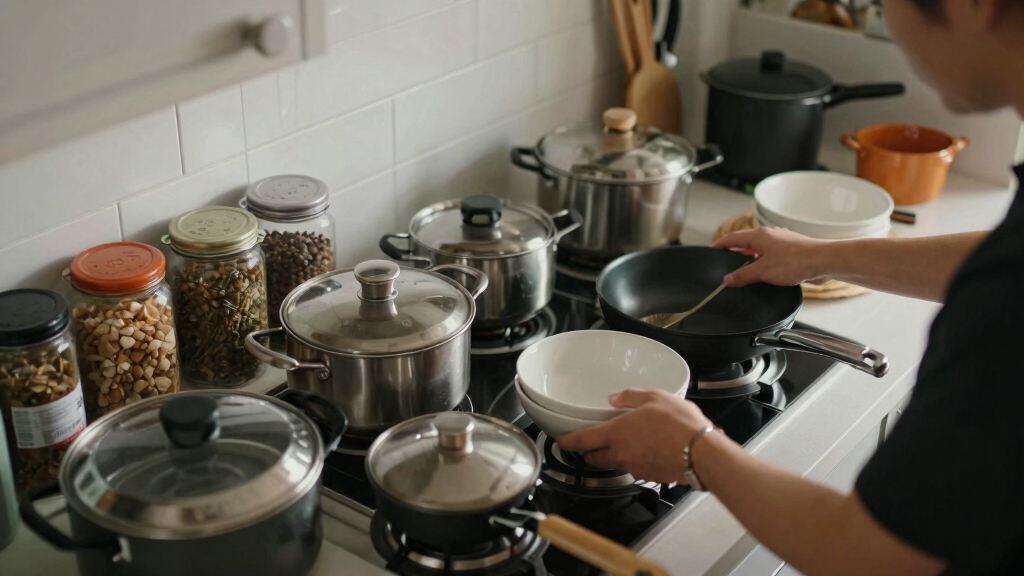
According to professional organizers, over-the-cabinet organizers, bulky countertop canisters, and rolling carts are among the items best avoided in narrow kitchens. These items tend to create visual clutter, obstruct pathways, or take up valuable space. Instead, organizers recommend flush storage solutions, hidden trash compartments, and minimal countertop appliances to maximize space. For example, replacing bulky appliances with compact, multi-use devices and opting for built-in or concealed storage can help maintain a clean, open feel.
Specifically, over-the-cabinet organizers and tall shelving units can crowd the limited space, while deep bins and magnetic spice jars can lead to disorganization and visual clutter. The goal is to select storage that is flush with walls or cabinetry, and to keep only frequently used items on the counter. These adjustments can make a narrow kitchen feel more spacious and easier to navigate.
Effective Storage Strategies for Small Kitchen Spaces
This matters because optimizing storage in narrow kitchens enhances usability, reduces clutter, and can even improve safety by preventing obstructions. Small kitchens are common in urban settings, and making smart choices can dramatically improve daily cooking and cleaning routines. Proper organization also helps prevent overbuying and waste, contributing to more sustainable living.
Products Worth Considering

Bose TV Speaker Compact Soundbar with Bluetooth and HDMI-ARC, Black

Dyson V9 Motorbar Cordless Vacuum

Philips Hue Smart Light Starter Kit with Bridge and 4 White and Color A19 Bulbs
As an affiliate, we earn on qualifying purchases.
Challenges and Solutions for Narrow Kitchen Organization
Narrow kitchens often suffer from limited floor and counter space, making clutter and inefficient storage common issues. Many homeowners rely on traditional solutions like over-the-cabinet racks, tall shelving, and large appliances, which can exacerbate space constraints. Experts suggest that rethinking these choices and adopting space-saving alternatives can transform the kitchen’s functionality. This advice aligns with ongoing trends toward minimalist and efficient home organization, especially in urban environments where space is at a premium.
“In narrow kitchens, avoiding clutter and choosing flush, space-efficient storage solutions can make a significant difference.”
— an anonymous researcher
Remaining Uncertainties About Narrow Kitchen Storage
It is not yet clear how effective these storage changes are across different kitchen layouts or personal habits. Some homeowners may find certain solutions less practical depending on their specific space or usage patterns. Further research or user feedback is needed to confirm the long-term effectiveness of these recommendations.
Next Steps for Small Kitchen Optimization
Homeowners and designers are encouraged to evaluate their current storage solutions and implement the recommended alternatives. Future developments may include new compact appliances or innovative storage systems tailored for narrow spaces. Ongoing expert advice and user experiences will help refine best practices for small kitchen organization.
Key Questions
Why should I avoid over-the-cabinet organizers in my narrow kitchen?
Over-the-cabinet organizers can crowd limited cabinet space, making the kitchen feel more cramped and less accessible. Experts recommend flush or hidden storage options instead.
What are better alternatives to bulky countertop appliances?
Using compact, multi-functional appliances that can be stored away when not in use helps free up counter space and reduces clutter.
How can I make my narrow kitchen feel more spacious?
Choosing space-efficient storage solutions, minimizing decorative clutter, and only keeping essential items on the counters can create a more open, functional environment.
Are rolling carts ever useful in narrow kitchens?
While rolling carts can provide extra storage, they often block pathways and add visual clutter. They should be used sparingly or replaced with built-in solutions.
What is the main benefit of replacing deep bins with shallower storage?
Shallower storage makes accessing items easier, prevents overbuying, and keeps the space more organized and less cluttered.
Source: Apartment Therapy