
TL;DR

Get furniture and decor delivered free with Prime
- Fast, free delivery on millions of items
- Prime Video, Amazon Music and more included
- Member-only deals all year
A Livingetc report examines how skinimalism—simpler skincare routines—could influence bathroom design, including smaller vanities, less counter space and more interest in water filters. Dermatologists cited in the report describe the trend and possible motivations, but the article does not establish that filters improve skin or that the design changes are widespread.
Livingetc has reported that the skinimalism trend—using fewer skincare products and shorter routines—could affect bathroom design, encouraging smaller vanities, less counter space and water filters. Dermatologists interviewed for the report describe the shift as a move away from elaborate routines, but the article presents its design effects as an emerging possibility rather than a measured industry-wide change.
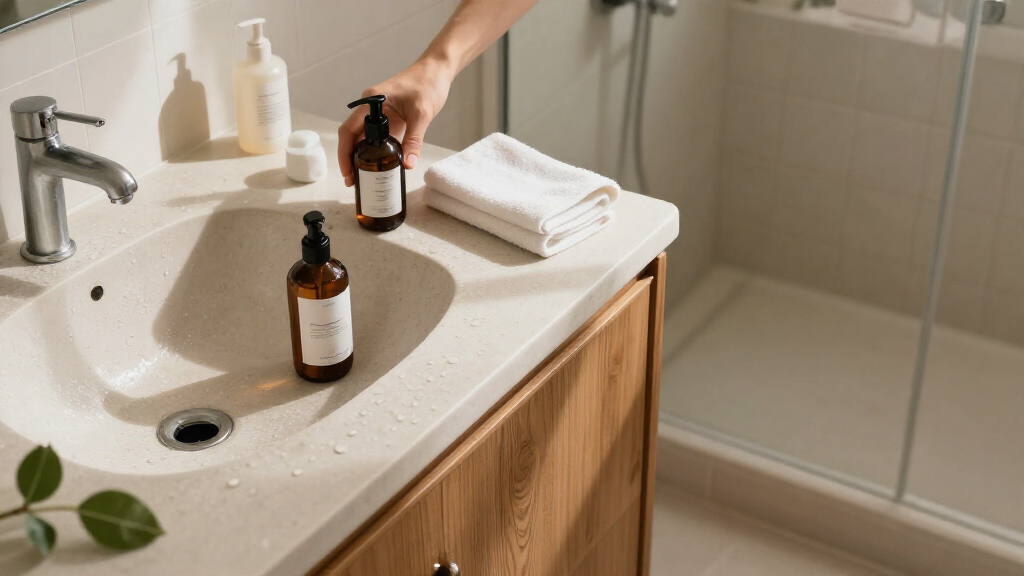
The report links simplified skincare routines to a different use of bathroom space. With fewer products to keep within reach, designers and homeowners may have less need for expansive counters or open shelving. The article suggests that floating sinks and compact vanities become more practical when a bathroom no longer has to accommodate a large collection of products.
Dermatologist Dr. Joanne Jacob told Livingetc that a targeted routine can reduce demand for counter space and shelving, leaving more room to shape the bathroom around lighting and atmosphere. She also said interest in skin health is increasingly directed toward underlying factors, including nutrition and water quality. Those comments describe a possible motivation for changing bathroom fixtures; they do not establish that a particular filter treats skin conditions.
Dr. Indy Chabra, another dermatologist quoted in the report, characterized skinimalism as a reaction to lengthy routines and product overconsumption. Livingetc also points to bathroom water filters as a related purchase and describes examples of sink and shower attachments. The report does not provide data on how many households are adopting these products or changing their bathroom layouts.
Smaller Routines, Different Bathroom Priorities
If the trend influences renovation choices, it could change what homeowners prioritize: less built-in storage for bottles and more attention to sink design, lighting and uncluttered surfaces. That may offer options for small bathrooms where counter area is limited, as well as for people who prefer a visually calmer space.
The potential trade-off is practical. A pared-back look depends on routines and storage needs that vary by household. Shared bathrooms, accessibility needs and the number of people using the space can still call for more counter area or storage. The trend is a design prompt, not evidence that every bathroom should be smaller or that fewer products are suitable for every person.
Products Worth Considering

Levoit Vital 100S-P Air Purifier with Washable Pre-Filter

Philips Hue Festavia Outdoor Globe String Lights, 8 Bulbs, 22 ft

eufy Security SoloCam E42 4K Solar Security Camera with AI Motion Tracking
As an affiliate, we earn on qualifying purchases.
From Skincare Routines to Room Layouts
Livingetc frames skinimalism as a move away from elaborate, multi-step skincare toward fewer, more targeted products. The report connects that beauty trend with a broader design question: if fewer products are used, does a bathroom still need extensive display and storage space?
Its examples include compact or floating vanities, standalone sinks and filters attached to showers or sinks. These are presented as design possibilities associated with simplified routines, rather than as a documented shift across the renovation market. The source offers expert interviews and product examples, but no survey, sales figures or measured changes in bathroom design.
“When the goal of skincare shifts from a 10-step routine to a simple targeted regimen, the need for excessive counter space or shelving changes.”
— Dr. Joanne Jacob, dermatologist, quoted by Livingetc
How Far the Trend Has Spread
The report does not quantify how many homeowners are redesigning bathrooms around skinimalism, or whether compact vanities and filtered fixtures are gaining market share because of the trend. It also provides no comparative evidence showing that sink or shower filters improve skin health, reduce irritation or remove specific substances in a way that produces those outcomes. Filter performance depends on the product and water conditions, which the article does not assess.
It is also unclear how durable the trend will be or how it translates to households with different routines and storage needs. The source describes expert views and design examples, not a forecast backed by renovation data.
Watch for Design and Market Evidence
The next useful measure would be evidence beyond trend commentary: renovation surveys, designer accounts of client requests, or sales data for smaller vanities and bathroom filters. Until such information is available, the reported link between skinimalism and bathroom design should be treated as a possible influence, not an established industry shift.
Homeowners considering a remodel can weigh their actual routines, storage requirements and available space before choosing a smaller vanity or a standalone sink. Anyone considering a water filter for a health reason should check the product’s specifications and avoid treating the trend report as medical evidence.
Key Questions
What does skinimalism mean?
Skinimalism refers to a simplified skincare approach that favors fewer products and shorter routines over extensive multi-step regimens.
How could skinimalism affect bathroom design?
Livingetc suggests that using fewer products could reduce demand for large vanities, open shelving and broad counters, making compact storage or standalone sinks more workable.
Does the report show that water filters improve skin?
No. It reports dermatologists’ comments about interest in water quality and mentions filter products, but it does not provide evidence that bathroom filters improve skin or treat a condition.
Is skinimalism already changing bathroom design widely?
The source does not give adoption rates, renovation data or sales figures. It describes a potential design influence and examples, not a verified widespread shift.
Source: livingetc.com