
TL;DR

Get furniture and decor delivered free with Prime
- Fast, free delivery on millions of items
- Prime Video, Amazon Music and more included
- Member-only deals all year
A House Beautiful report presents designers’ suggestions for refreshing a living room for under $100, including changing light bulbs, swapping pillow covers, adding plants or art, and rearranging furniture. The ideas are designer recommendations, not a tested comparison of costs or results; several can be done for free, while others depend on the room and what a shopper chooses.
House Beautiful has compiled designers’ suggestions for refreshing a living room for $100 or less, ranging from rearranging existing furniture at no cost to buying warmer light bulbs, pillow covers, plants, or affordable artwork. The report offers expert advice on quick, modest-budget changes, but it does not present a tested ranking or guarantee that every idea will fit within the same budget.
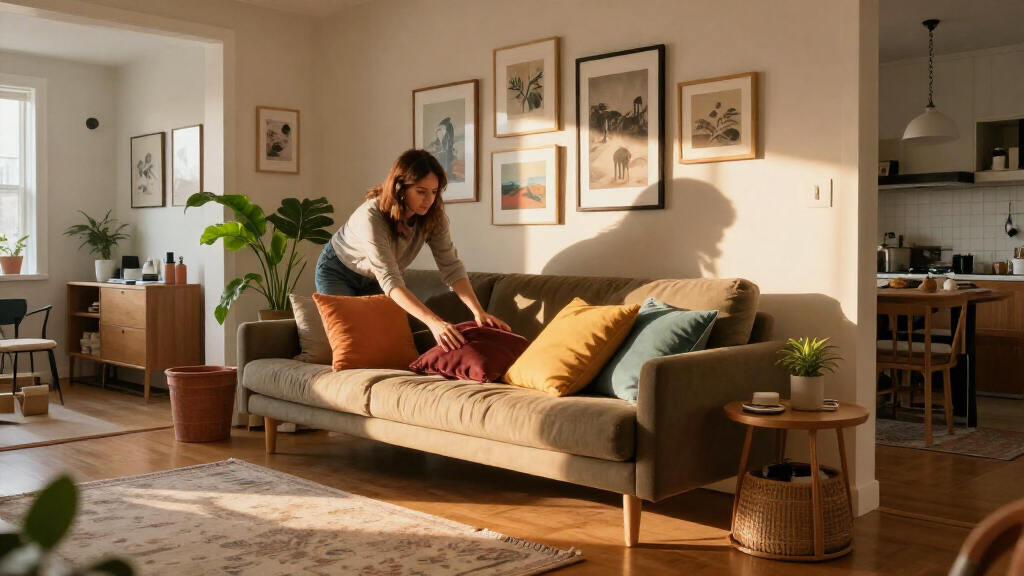
Several of the suggestions require little or no spending. Austin-based designer Blair Burton recommends pulling furniture away from the walls and arranging seats to make conversation easier. She also advises homeowners to “shop their homes” by trying familiar objects in different rooms or positions. Both approaches can change a room’s layout or presentation without buying anything.
Other ideas involve targeted purchases. Natalie Kaelin, an interior designer in Raleigh, North Carolina, suggests replacing cushion covers rather than buying new pillows. Baltimore designer Elizabeth Cross-Beard recommends warmer bulbs, saying that a change can cost “as little as $50,” depending on the number of lights. She advises a color temperature of about 2700K and says to avoid bulbs above 4000K for a warmer effect.
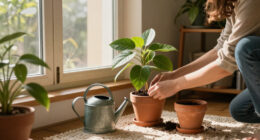
The report also recommends using plants, adding artwork, and restyling shelves. Barbra Fordyce of Ginger Lemon Indigo says plants can bring natural color and texture, while Molly Torres Portnof of DATE Interiors points to artwork as a way to add visual and personal character. Tennessee designer Katie Kiser suggests arranging existing shelf objects into deliberate groupings or finding inexpensive pieces, such as art books or jars, at an antique store.
Small Changes, Lower Costs
The advice matters to readers looking for a visible change without taking on a major renovation or replacing large furniture. Rearranging a room and reusing possessions can cost nothing, while targeted purchases let people focus a limited budget on one or two details. The options also vary in commitment: furniture can be moved back, pillow covers can be changed seasonally, and bulbs can be swapped without changing the room’s fixtures.
The report’s practical value lies in its range, not a promise of a particular result. A household could prioritize lighting, textiles, plants, art, or shelf styling based on what is already in the room. Costs will depend on local prices, the number of bulbs or covers needed, and the size and type of item chosen. House Beautiful does not compare before-and-after outcomes or establish which change has the greatest effect.
Products Worth Considering

Philips Hue Festavia Globe Outdoor String Lights, 8 Bulbs, 22 ft

Levoit Core 400S-P Smart Air Purifier for Large Rooms

Philips Hue Starter Kit with Bridge Pro and 4 Retrofit LED Recessed Downlights
As an affiliate, we earn on qualifying purchases.
Seven Routes to a Room Refresh
The source groups the advice into seven approaches: add plants, upgrade throw pillows, swap bulbs, rework the layout, shop the home, add art, and spruce up shelves. Some are explicitly free; the report says a bulb change can cost as little as $50 and suggests affordable art prints and secondhand decorative objects. It does not give a complete price list for the other purchases.
The designers also stress choosing changes that suit the room. Fordyce says plant size should be proportional to ceiling height and recommends a container that fits the space’s style. Kaelin favors changing pillow covers instead of buying new cushions, and Kiser encourages arranging objects already on hand before shopping. Portnof says scale matters when placing artwork, while Burton’s layout advice starts with the furniture a homeowner already owns.
“Sometimes simply pulling furniture away from the walls and creating a more comfortable conversation area can completely change how a room feels.”
— Blair Burton, Austin-based interior designer
Costs and Results Vary
The article does not say when it was published, provide a detailed cost breakdown for every suggestion, or report that the ideas were tested in a standardized way. “Under $100” is the framing for the recommendations, not a verified price for every possible room or shopping list. The total for plants, planters, artwork, pillow covers, or shelf decorations will depend on the products and quantities selected.
It is also unclear how much each change would alter a specific living room. Room dimensions, existing furniture, lighting, and personal preferences differ, and the report does not include measured results or homeowner interviews. Its recommendations should be read as designer guidance rather than a guarantee of a particular look, cost, or impact.
Choose One Change to Try
The report does not identify a follow-up study, product launch, or further update. For readers applying its advice, the next step is to decide whether a no-cost change—such as rearranging furniture or restyling a shelf—addresses the room’s needs before setting aside money for new items. Anyone shopping can compare prices and check measurements, particularly for plants, artwork, and pillow covers.
For lighting, readers can use the designers’ suggested color-temperature range as a starting point and check bulb compatibility with their fixtures. Actual spending and results remain household-specific; the source does not set a universal shopping list or promise that every proposed update will stay below $100.
Key Questions
What is the news about?
House Beautiful reported designers’ ideas for refreshing a living room for $100 or less, including free layout changes and lower-cost purchases.
Which suggestions cost nothing?
Blair Burton recommends rearranging furniture and shopping the home for objects to move or display in a new way. Restyling existing shelf items can also avoid a purchase.
What bulb color temperature does the report recommend?
Elizabeth Cross-Beard recommends bulbs around 2700K for warmer light and advises avoiding bulbs above 4000K for that effect. The right choice also depends on the fixture and the homeowner’s preference.
Does every idea have a confirmed price under $100?
No. The report gives a possible cost of as little as $50 for changing bulbs, depending on how many are needed, but does not list exact prices for every suggestion. Costs vary by product and quantity.
Did the report test which update works best?
The source presents designers’ recommendations; it does not describe a standardized test or rank the ideas by measured results.
Source: housebeautiful.com