
TL;DR

Get furniture and decor delivered free with Prime
- Fast, free delivery on millions of items
- Prime Video, Amazon Music and more included
- Member-only deals all year
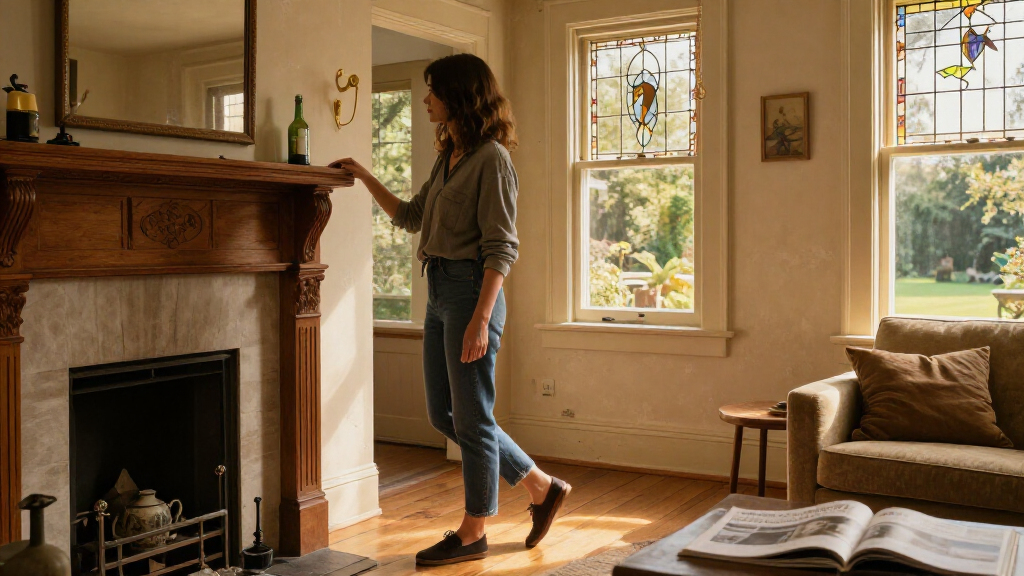
Design and real estate professionals interviewed by House Beautiful say some buyers are showing renewed interest in homes with original details such as hardwood floors, stained glass, exposed brick and vintage lighting. The report describes this as an expert-observed trend, not a measured finding about all homebuyers; buyers still want modern layouts and technology.
Design and real estate professionals interviewed by House Beautiful say they are seeing renewed interest among some homebuyers in vintage craftsmanship, including original hardwood floors, stained glass, exposed brick and decorative architectural details. The report describes an expert-observed design preference, not survey data showing that every buyer wants these features, and says many buyers also expect modern layouts and technology.
Peter Michael, founder of Piere Michel Brokerage, told House Beautiful that clients are drawn to homes that feel lived in and shaped by skilled work. He cited details such as hallway arches, exposed-brick fireplaces, original floors, high ceilings and vintage light fixtures as features that can make a home feel distinctive rather than manufactured. The article does not provide sales figures or a survey measuring how common those preferences are.
Interest in historic character is also influencing some new construction, according to Jackie Mosher, cofounder and COO of Dzinly. She said she is seeing new homes use decorative eaves and exposed rafters associated with Craftsman architecture, reinterpreted on modern and transitional designs. Mosher also described renewed use of stucco in parts of the Midwest and Northeast, where installation can require additional effort because of temperature fluctuations.
The professionals described a blend rather than a wholesale return to old-fashioned interiors. Michael said buyers still expect conveniences such as smart thermostats and stainless steel appliances, while favoring open layouts over small, isolated kitchens. He also identified popcorn ceilings as a feature buyers may reject. The article offers expert observations, not a comprehensive account of preferences across regions or price ranges.
Character Meets Modern Homebuyer Needs
The observations matter to buyers and sellers because they point to a possible tension in home searches: visible craftsmanship can add appeal, but buyers may not want to give up practical updates or functional floor plans to get it. For sellers, the report suggests that original details could be worth highlighting when they are present and in good condition. It does not establish that adding vintage-style features will raise a home’s sale price or shorten its time on the market.
For people choosing between an older home and a new build, the article also suggests that character is not limited to historic properties. New homes can reference earlier styles through trim, roof details or materials, while retaining contemporary forms. Mosher said the aim is reinterpretation rather than exact replication. Whether that approach suits a particular buyer will depend on personal taste, construction quality, maintenance needs and cost.
The report’s caveat is important: there is no stated sample size, polling method or market data behind the word “buyers.” Its claims are attributed to two industry professionals describing what they see in their work. Readers should treat them as professional observations, not proof of a universal or nationwide shift.
Products Worth Considering

Philips Hue White and Color Ambiance Smart Light Starter Kit, 2 A19 Bulbs with Hub

TCL 65 Inch QM8L Series SQD-Mini LED QLED 4K Smart Google TV

Hisense 65-inch U6 Pro Mini-LED 4K UHD Smart Fire TV
As an affiliate, we earn on qualifying purchases.
From Period Craft to Modern Builds
House Beautiful places the reported interest against years of popularity for sleek new construction, minimalist façades and smart-home conveniences. The article says some professionals now see clients seeking texture, age and evidence of handcraft in place of interiors that feel interchangeable. It does not give a timeline showing when the change began or quantify how much demand has shifted.
The examples span both historic homes and new construction. In older properties, the features discussed include stained-glass windows, hardwood flooring, molding, brick fireplaces and hand-carved banisters. In newer designs, Mosher pointed to exposed rafters, decorative eaves and stucco, paired with clean lines and contemporary finishes. Her account describes design choices she is encountering, rather than a documented building-industry trend with measured growth.
The article also notes that preferences for character do not necessarily mean buyers want every aspect of an older home. Michael said clients seek open layouts and technology alongside vintage visual details. That distinction helps explain the appeal described by the experts: preserving or referencing craftsmanship and material character while adapting the home to current living habits.
“People are drawn to homes that feel lived in and loved.”
— Peter Michael, founder of Piere Michel Brokerage, speaking to House Beautiful
How Broad Is the Buyer Shift?
The source does not establish how many homebuyers prefer vintage features, whether the reported interest is growing across the wider market, or how it varies by location, budget or property type. It provides no survey, sales data or comparison period. The headline’s “every homebuyer” wording is broader than the evidence presented; the article supports only the attributed observations of its interviewees.
It is also unclear whether features such as stained glass or original floors measurably affect sale prices or buyer decisions. The article does not compare homes with and without them, estimate renovation costs, or address maintenance and energy performance. Those factors can differ substantially by property, so the design preferences described should not be taken as a financial forecast.
What Buyers Should Watch For
House Beautiful’s report does not announce a policy change, market milestone or upcoming study. The next useful evidence would be market data or broader buyer research showing whether interest in period details affects searches, offers or sale prices, and how those patterns differ by region and price bracket.
For now, buyers can use the experts’ comments as a guide to the kinds of details being discussed, while evaluating each home’s condition, layout and upkeep needs. Sellers can describe original features accurately and distinguish them from newer reproductions. Any decision to restore or add period-inspired elements will depend on the property and local market; the source makes no claim that such work guarantees a better sale.
Key Questions
Which vintage home features did the experts mention?
They cited original hardwood floors, stained glass, high ceilings, exposed brick, arches and vintage light fixtures. The report presents these as examples of features that some clients notice, not a ranked list of universal buyer preferences.
Do the experts say every buyer wants vintage features?
No. The article’s headline uses broad wording, but its evidence consists of comments from two professionals. It includes no buyer survey or market-wide data showing that every homebuyer wants these details.
Are new homes incorporating older design details?
Jackie Mosher said she is seeing some new homes use decorative eaves and exposed rafters, and described stucco being used in regions where it is less common. These are her professional observations, not measured construction-industry statistics.
Do buyers still want modern features and open layouts?
According to Peter Michael, many clients want vintage character alongside modern technology, including smart thermostats and stainless steel appliances. He also said buyers favor open layouts over small, separated kitchens.
Does adding vintage details increase a home’s value?
The source does not establish that it does. It contains no pricing analysis or sales comparisons, so buyers and sellers should not treat the reported design interest as a guarantee of higher value.
Source: housebeautiful.com