
TL;DR

Get furniture and decor delivered free with Prime
- Fast, free delivery on millions of items
- Prime Video, Amazon Music and more included
- Member-only deals all year
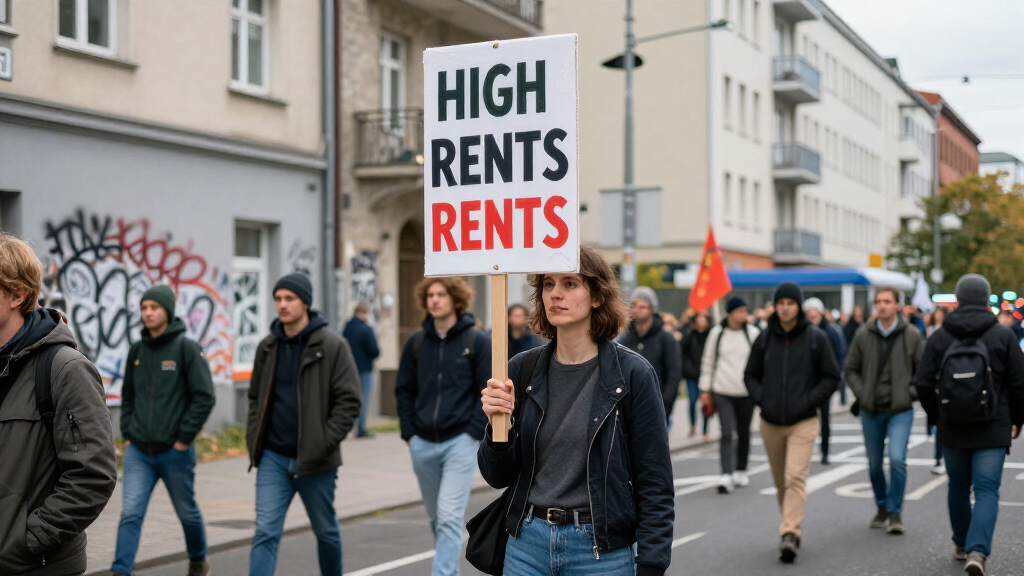
A large protest took place in Berlin with thousands demanding action against rising rents and advocating for expropriation of large landlords. The demonstration highlights growing public frustration over housing affordability.
Thousands of residents and activists gathered in Berlin today to protest against soaring rents and to demand the expropriation of large property owners, marking one of the largest demonstrations on housing issues in recent years. The protest underscores widespread public frustration with housing affordability and government policies.
The demonstration, which took place in central Berlin, was organized by housing advocacy groups and tenants’ associations. Estimates suggest that over 10,000 people participated, carrying banners and chanting slogans such as ‘Housing is a human right’ and ‘Expropriate big landlords.’
Participants called for urgent measures to curb rent increases and for the government to implement expropriation policies targeting large property companies, which they blame for driving up housing costs. The protest occurred amid ongoing debates over proposed legislation that would facilitate the expropriation of housing corporations owning more than 3,000 units, a move supported by a growing segment of the city’s residents.
While the protest was peaceful, it drew significant media attention and sparked discussions on social media about housing policies. Local authorities confirmed that police were present to ensure order but reported no incidents or violence during the event.
Impact of the Protest on Berlin’s Housing Debate
The protest highlights a critical shift in public opinion regarding housing policy in Berlin. With rising rents making it increasingly difficult for residents to afford living in the city, this demonstration signals a growing demand for radical solutions, including expropriation of large landlords. The event could influence upcoming legislative debates and policy decisions, potentially leading to substantive changes in how housing is managed and owned in Berlin.
Moreover, the protest underscores broader tensions in German cities facing similar affordability crises, raising questions about the balance between private property rights and public interest. The political implications are significant, as local government officials face mounting pressure to address housing shortages and affordability.
As an affiliate, we earn on qualifying purchases.
Background of Housing Struggles in Berlin
Berlin has experienced a sharp increase in housing prices over the past decade, driven by urban growth, speculation, and limited new construction. Rents have risen by an estimated 50% since 2010, leading to a housing affordability crisis for many residents. In response, city officials and activists have called for measures such as rent caps and expropriation.
The debate intensified with the 2021 referendum, where a majority of Berlin residents voted in favor of expropriating large property companies, although the legal and practical implementation remains uncertain. The government has signaled openness to exploring such policies, but legal challenges and political disagreements persist.
Recent protests reflect this ongoing struggle, with residents increasingly demanding more aggressive action to control rent hikes and limit the power of large landlords. The current demonstration is seen as a culmination of these tensions, emphasizing the urgency felt by many Berliners.
As an affiliate, we earn on qualifying purchases.
Legal and Political Uncertainties Surrounding Expropriation
It remains unclear how the city government will respond to the demands raised during the protest, especially regarding the legal feasibility of expropriation policies. While there is political support among some factions, legal challenges from property owners and opposition parties could complicate implementation. The precise legislative steps and timeline are still uncertain.
Additionally, the impact of this protest on upcoming elections or policy decisions has yet to be determined, with analysts watching closely for signs of policy shifts.
As an affiliate, we earn on qualifying purchases.
Next Steps in Housing Policy and Public Mobilization
The city government is expected to continue discussions on housing legislation, potentially introducing new bills or amendments inspired by the protest. Legal reviews and consultations with property owners are likely to follow as authorities evaluate the feasibility of expropriation measures.
Meanwhile, advocacy groups have indicated plans for further protests and public campaigns to maintain pressure on policymakers. The debate over housing affordability and property rights in Berlin is expected to intensify as the city grapples with its housing crisis.
housing affordability advocacy books
As an affiliate, we earn on qualifying purchases.
As an affiliate, we earn on qualifying purchases.
Key Questions
What are the main demands of the protesters?
The protesters are demanding measures to control rent increases and the expropriation of large property companies to make housing more affordable.
Has the city government officially supported expropriation?
The city has shown some openness to exploring expropriation policies following a 2021 referendum, but detailed legislative steps are still under discussion and not yet finalized.
Are there legal obstacles to expropriation in Berlin?
Yes, legal challenges from property owners and opposition parties are anticipated, and the constitutionality of expropriation laws is under review.
Will this protest lead to immediate policy changes?
It is uncertain; the protest has increased pressure on policymakers, but concrete legislative action depends on ongoing debates and legal considerations.
How does this protest compare to previous housing demonstrations?
This protest is among the largest in recent years, reflecting heightened public frustration and a more organized push for radical measures like expropriation.
Source: local
Halloween Picks
halloween
As an affiliate, we earn on qualifying purchases.