
TL;DR
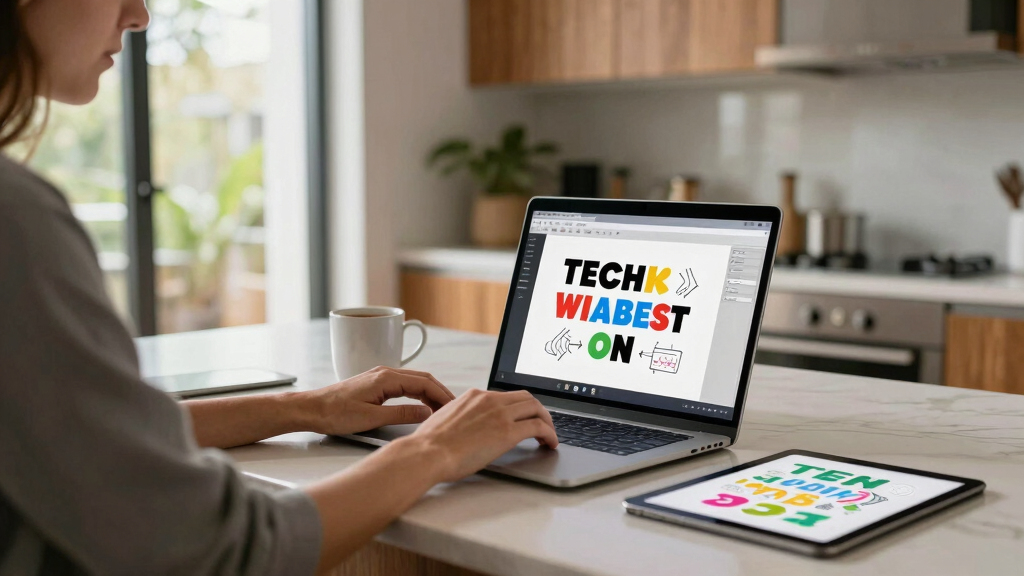
The ‘Typo Vibe Shift’ describes a growing cultural acceptance of typos as signs of authenticity, influenced by AI and social media trends. This shift impacts perceptions of communication and professionalism.
A cultural shift known as the ‘Typo Vibe Shift’ is emerging, where typos are increasingly perceived as signs of authenticity rather than carelessness, affecting how people interpret written communication in digital spaces.
Recent research and public behavior demonstrate that typos are no longer universally condemned. Studies from 2024 show that people now view errors in social media posts, emails, and even professional communications as signals of sincerity or effort. Celebrities like Zara Larsson have publicly embraced typos to appear more genuine, while political figures such as Donald Trump have defended errors as evidence of authenticity. This shift is partly driven by the rise of AI-generated writing, which often produces overly perfect text, prompting a reevaluation of what constitutes carelessness versus human touch. Historically, typos were seen as failures or laziness, but contemporary attitudes suggest a more forgiving perspective, influenced by the recognition that mistakes can humanize digital interactions.
Why It Matters
This change impacts perceptions of professionalism and trustworthiness in digital communication. As typos become symbols of authenticity, organizations and individuals may need to reconsider standards of error-free writing, potentially influencing hiring, branding, and social engagement. It also reflects broader cultural trends toward valuing imperfection and realness in an age dominated by AI and curated content.

As an affiliate, we earn on qualifying purchases.
Background
Historically, typos have been viewed negatively, associated with carelessness and lack of effort. Understanding how market reactions can be influenced by perceptions of authenticity is relevant here. In early-modern print culture, errors were documented in errata lists, sometimes seen as part of the creative process. The advent of typewriters and computers shifted perceptions, framing typos as laziness. Recently, the proliferation of AI-generated text and social media has prompted a reevaluation, with some experts noting that errors can signal genuine effort or personality. This phenomenon aligns with broader cultural shifts toward valuing authenticity over perfection, exemplified by public figures and social media trends.
“A typo maybe signals that you actually do care because you took the time to write it yourself.”
— Nicole Ellison, University of Michigan professor
“President Trump is the greatest and most authentic communicator in the history of American politics.”
— A spokesperson for the White House

Proofreading and Editing Precision (with CD-ROM)
- Condition: Used Book in Good Condition
As an affiliate, we earn on qualifying purchases.
As an affiliate, we earn on qualifying purchases.
What Remains Unclear
It remains unclear how widespread this shift will become and whether it will influence formal or professional contexts significantly. The long-term impact on standards of communication and editing practices is still developing. For more insights, see industry analyses on market reactions.
![WavePad Audio Editing Software - Professional Audio and Music Editor for Anyone [Download]](https://m.media-amazon.com/images/I/B1fcLEGCs6S._SL500_.png)
WavePad Audio Editing Software – Professional Audio and Music Editor for Anyone [Download]
- Professional Audio Editing: Record and edit music and voice
- Audio Effects: Add echo, noise reduction, reverb, and more
- Wide Format Support: Supports WAV, MP3, FLAC, OGG, and more
As an affiliate, we earn on qualifying purchases.
As an affiliate, we earn on qualifying purchases.
What’s Next
Experts expect further research to clarify whether this attitude will lead to lasting changes in professional standards. Public figures and organizations may experiment with more relaxed approaches to error, while some industries could resist, maintaining traditional expectations for accuracy. Monitoring social media trends and corporate communication policies will reveal how this cultural shift evolves. Learn more about recent market movements in financial market updates.

wet n wild MegaGlo Highlighting Powder, Highlighter Makeup, Shimmer Glow, Pink Rose Gold Blossom Glow
- Velvety-smooth highlighting powder: Velvety-smooth texture for easy application
- Enhances skin with a luminous glow: Creates a natural, radiant shine
- Infused with shimmering pearl pigments: Adds shimmer and dimension
As an affiliate, we earn on qualifying purchases.
As an affiliate, we earn on qualifying purchases.
Key Questions
Why are typos now seen as more acceptable?
Growing familiarity with AI-generated content and a cultural emphasis on authenticity have led people to view errors as signs of genuine effort or personality rather than carelessness.
Does this shift apply to professional or formal writing?
It is still uncertain. While casual and social media communication are embracing typos, formal or official documents likely remain bound by traditional standards of accuracy.
Could this change affect hiring and professional standards?
Potentially. As perceptions evolve, organizations may relax their expectations for error-free writing, but this is still under discussion among industry leaders.
How does this affect perceptions of trustworthiness?
Some believe that errors can humanize a speaker or writer, making them appear more relatable and trustworthy, though opinions vary across contexts.
Source: The Atlantic





![9 Labor Day Mattress Sales From Organic Brands [2026]](https://thecreativewalls.com/wp-content/uploads/2026/09/9-labor-day-mattress-sales-from-organic-brands-2026-featured-260x140.jpg)