To layer paint and paneling without visual competition, choose bold, contrasting colors for paneling and neutral or subdued tones for walls. Make sure textures and finishes complement each other, like gloss panels with matte walls, to add depth without chaos. Prepare surfaces properly before painting, and start with a base coat on the walls. Use thoughtful lighting to highlight textures and contrasts, creating a harmonious look. If you want to master this balance, you’ll find more tips ahead.
Key Takeaways
- Use contrasting yet harmonious colors for paneling and walls to create visual interest without chaos.
- Match finishes (glossy with matte) to add depth and prevent conflicting textures.
- Prepare surfaces thoroughly and apply primer for vibrant, clean color separation.
- Paint the walls first, then install and seal paneling before final painting for crisp edges.
- Optimize lighting to highlight textures and contrast without causing glare or shadows.
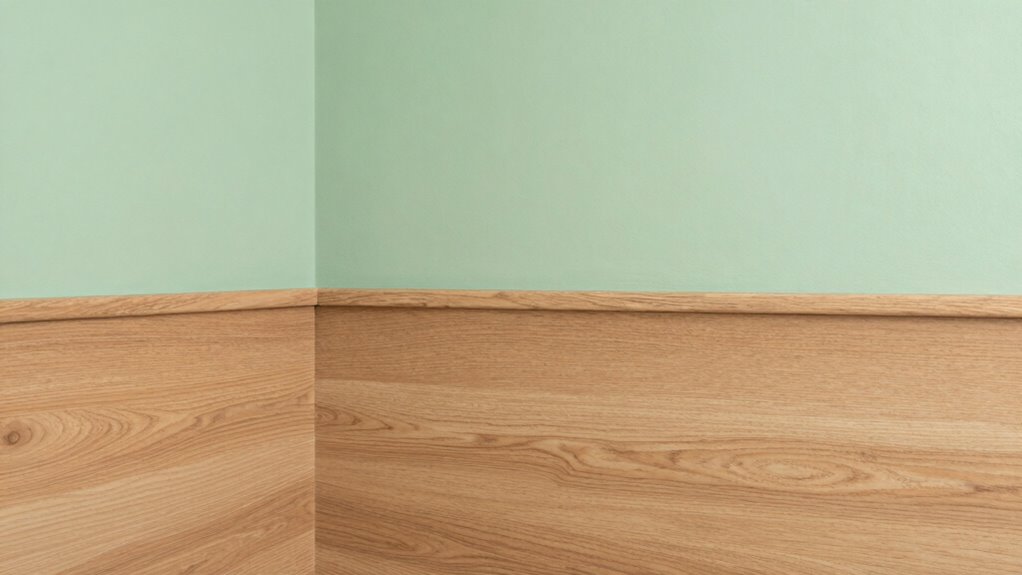
Layering paint and paneling can transform a room, but achieving a smooth, professional finish requires careful preparation and technique. When you’re working with both elements, the key is to balance visual interest without creating chaos. One way to do this is by paying close attention to color contrast. If you choose a bold, contrasting color for the paneling, keep the wall paint more subdued and neutral. This prevents the paneling from overwhelming the space and allows each element to stand out without competing. Alternatively, if you prefer a softer look, opt for similar hues with subtle differences, creating a harmonious effect that’s visually appealing but not overpowering.
Balancing color contrast and harmony creates a polished, inviting layered room.
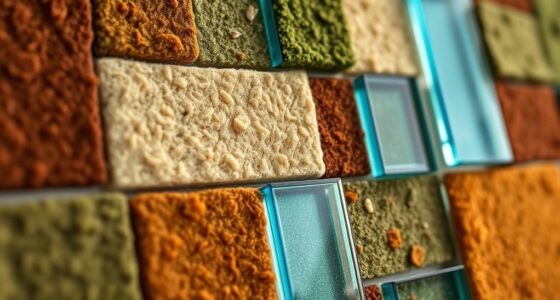
Texture combination is equally important when layering paint and paneling. You want to create a pleasing interplay between smooth and textured surfaces, rather than a jumble of conflicting finishes. For example, if your paneling has a glossy or semi-gloss finish, keep your wall paint matte or eggshell. This contrast in texture adds depth and interest without making the room feel chaotic. When you select paneling with a distinct grain or pattern, consider painting the walls in a solid, flat color to let the textures shine through. Conversely, if the paneling is simple and flat, you can experiment with textured wall paints or decorative techniques on the walls to add dimension. Paying attention to visual harmony and ensuring the textures complement each other can make all the difference. Proper surface preparation is also essential to prevent visual competition, so make sure your surfaces are clean, smooth, and properly primed before applying paint. Additionally, understanding the importance of color contrast can help you balance the visual weight of each element and create a cohesive look.
Make sure to use painter’s tape to create clean lines where the paneling meets the wall, and consider using different brushes or rollers for each surface to maintain crisp edges. When layering, start with a base coat of paint on the walls, then carefully apply your paneling. If you’re painting the panels, do so after installing and sealing them, and consider a primer that enhances adhesion and color vibrancy. Additionally, understanding the impact of lighting can help you emphasize the contrast and texture combination without casting unwanted shadows or glare. By thoughtfully selecting colors, textures, and finishes, you create a layered look that’s cohesive and visually balanced. The goal is to highlight each element’s unique qualities, ensuring the room feels inviting and well-designed, not cluttered or discordant.

Duck Clean Release Blue Painters Tape, Masking Tape For Paint Projects, 2 in (1.88 in x 60 yd) Single Roll, 240195
- Surface Compatibility: Suitable for walls, trim, glass, wood, metal
- UV Resistant: Safe for indoor and outdoor use
- Easy Paint Application: Quick stick, easy removal
As an affiliate, we earn on qualifying purchases.
As an affiliate, we earn on qualifying purchases.
Frequently Asked Questions
Can I Mix Different Paint Finishes on Walls and Paneling?
Yes, you can mix different paint finishes on walls and paneling. To create a cohesive look, focus on color harmony so the shades complement each other. Use contrasting textures—like matte on the walls and semi-gloss on the paneling—to add visual interest without clashing. This approach helps you avoid visual competition and achieves a balanced, layered aesthetic that highlights both the paint finishes and the architectural details.
What Tools Are Best for Applying Layered Paint Smoothly?
You should use high-quality brushes and rollers for smooth layering. Opt for a fine, angled brush to perfect edges and a dense roller for even coverage. Use brush techniques like light, feathered strokes to blend edges seamlessly, and choose the right roller nap to suit your surface—short for smooth walls, longer for textured panels. This approach guarantees a polished, professional finish without visible brush marks or roller lines.
How Long Should I Wait Between Layering Paint and Paneling?
Think of layering paint and paneling like baking a cake—you want each layer to set properly. Typically, you should wait for the recommended drying times, usually 24 hours, between layers. Proper surface preparation guarantees better adhesion and faster drying. Rushing this step risks smudges or peeling. So, give your paint time to dry completely, ensuring your finished look is smooth and professional.
Does Layering Paint Affect the Durability of Paneling?
Layering paint generally doesn’t harm the durability of your paneling if you guarantee proper surface preparation. Good surface prep enhances paint adhesion, which is vital for durability. When you apply multiple layers, make sure each coat is fully dry before adding the next. This prevents peeling or chipping. Properly prepared surfaces and quality paint layers help maintain the paneling’s integrity, even after multiple coats.
Can I Use Wallpaper Instead of Paint for Layered Effects?
Yes, you can use wallpaper instead of paint for layered effects. Wallpaper textures and alternative patterns add depth and interest to your walls while creating visual contrast without overwhelming the space. Opt for subtle textures or bold patterns, depending on your style. Applying wallpaper over paneling can give a fresh look, and layering different wallpaper designs can create a dynamic, stylish effect that complements your existing decor seamlessly.

Zinsser 02774 PERMA-WHITE Mold & Mildew Proof Interior Paint, Quart, Eggshell White
- Self-Priming Formula: No sanding needed
- Mold & Mildew Proof: Guaranteed 5-year protection
- Resists Dirt & Moisture: On the paint film
As an affiliate, we earn on qualifying purchases.
As an affiliate, we earn on qualifying purchases.
Conclusion
Layering paint and paneling can transform your space without overwhelming it, but the key lies in balance. Some believe that contrasting colors create visual tension, while others argue that subtle shades blend seamlessly. The truth? It’s all about your personal style and the room’s purpose. Experiment with small sections first, and trust your eye. When done thoughtfully, layering adds depth without chaos—proving that harmony truly comes from understanding your space’s unique needs.
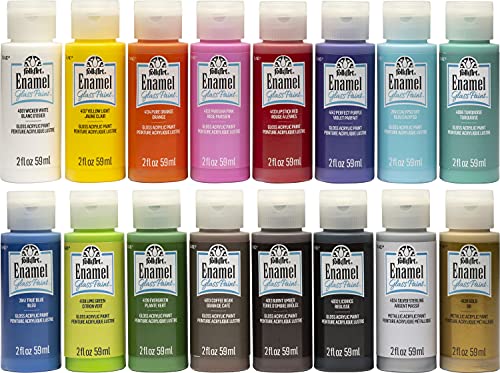
FolkArt Gloss Finish Acrylic Enamel Craft Set Designed for Beginners and Artists, Non-Toxic Formula Perfect for Glass and Ceramic Painting, , 32 Ounce, 16 Count (Pack of 1)
- Set Includes: 16 bottles of 2 oz each
- Vibrant Color Range: 16 diverse colors including white, pink, and gold
- Gloss Finish: Durable, scratch-resistant, high-gloss surface
As an affiliate, we earn on qualifying purchases.
As an affiliate, we earn on qualifying purchases.

NAACOO Laminate Flooring Tools, Universal 4 in 1 Floor Installation Kit
- Universal 4-in-1 Flooring Kit: Includes tapping block, pull bar, spacers, and mallet
- Compatible with Various Flooring Types: Suitable for tongue & groove, click-lock, vinyl, laminate, hardwood
- Adjustable for Different Floor Thicknesses: Features 3 different edge thicknesses for various flooring sizes
As an affiliate, we earn on qualifying purchases.
As an affiliate, we earn on qualifying purchases.