
The best historic home exterior products balance protection and practical upkeep with details that suit an older house. My best overall pick is TWP 101 Pro-Series Cedartone in the 1-gallon size for wood projects where an oil-based stain and protectant makes sense; John Wright Georgetown Shutter Dogs add period-style hardware, while the Giani Brick Transformations Whitewash Kit offers a way to change brick’s appearance. The main tradeoffs are wood protection versus finish transparency, buying a project-sized container versus a smaller one, and adding historic character versus changing original materials. Compatibility, surface preparation, local preservation rules, and ongoing maintenance can matter as much as the product name. Read on for the full breakdown and advice on matching each option to your home and project.

Get furniture and decor delivered free with Prime
- Fast, free delivery on millions of items
- Prime Video, Amazon Music and more included
- Member-only deals all year
Complete the kit


Key Takeaways
- The TWP Cedartone options lead the wood-stain group, but the 1-gallon and 5-gallon sizes serve different project scopes; avoid buying a large container before estimating coverage and checking suitability.
- Thompson’s WaterSeal Clear Multi-Surface Waterproofer and its Semi-Transparent Natural Cedar product are not interchangeable. Choose by the finish and surface compatibility the project calls for, not just the shared brand.
- Ready Seal’s Natural Cedar products offer another oil-based stain-and-sealer path. Compare their application needs and intended use with TWP rather than assuming similar labels mean identical results.
- Period character can come from small details as well as coatings. The John Wright shutter dogs and Livex Westover lantern address hardware and lighting, while neither replaces careful research into the house’s architectural style.
- Giani Whitewash Kit changes brick’s appearance rather than simply protecting wood. Treat it as a more consequential finish choice: test a discreet area and check preservation requirements before changing historic masonry.


| historic home exterior product | Brand | Finish | Model | Color |
|---|---|---|---|---|
| TWP 101 Pro-Series Cedartone E | TWP | Oil-based stain | TWP 101 Pro-Series | Cedartone |
| Thompson’s WaterSeal Clear Mul | Thompson’s WaterSeal | Clear, smooth | TH.021821-16 | — |
| TWP 101 Pro-Series Cedartone O | TWP Pro-Series | Oil | TWP 100 PRO SERIES | Cedar Tone |
| TWP 101 Pro-Series Cedartone O | TWP/Gemini | Semi-transparent | TWP 101 Cedartone | Cedartone |
| John Wright Small Georgetown S | — | Powder-coated | — | — |
| Thompson’s WaterSeal Semi-Tran | Thompson’s WaterSeal | Semi-transparent | — | Natural Cedar |
| Livex Lighting Westover 1-Ligh | — | Brushed nickel | 2181-91 | — |
| Ready Seal Oil-Based Wood Stai | Ready Seal | — | — | Natural Cedar |
| Ready Seal 112 Exterior Wood S | Ready Seal | Flat | 112 | Natural Cedar |
| Giani Brick Transformations Wh | Giani | — | Brick Transformations | — |
More Details on Our Top Picks
TWP 101 Pro-Series Cedartone Exterior Wood Stain and Protectant, Oil-Based, 1 Gallon
For historic wood siding, shakes, or fascia, I rank this TWP 101 Cedartone ahead of the larger five-gallon TWP option when the project is limited to one area. Its penetrating oil-based formula repels water while leaving the wood’s character visible, a better fit for preserving traditional exterior materials than a surface-focused coating. It also suits fences, decks, and log homes, and the choice of brush, roller, or sprayer gives owners flexibility around detailed trim.
The tradeoff is upkeep: the color needs refreshing as it lightens, and its 550 g/L VOC content restricts availability in some states. Compared with Thompson’s WaterSeal Clear Multi-Surface Waterproofer, this is more specifically aimed at wood preservation, while Thompson’s also covers masonry and concrete. I’d skip TWP if local rules prohibit it or you want a clear, multi-surface product.
Pros:- Penetrates wood and repels water rather than relying only on a surface coating.
- Cedartone finish adds color while keeping the wood’s natural character visible.
- Suitable for siding, shingles, shakes, fascia, decks, fences, and log homes.
- Brush, roller, and sprayer application options suit different project sizes.
Cons:- Its 550 g/L VOC content limits availability in some states.
- Color lightening signals that reapplication is needed.
- Oil-based application may be less suitable for buyers seeking a water-based product.
Best for: Owners restoring historic wood siding, shingles, shakes, or trim who want a penetrating cedar-tone finish in a one-gallon quantity.
Not ideal for: Buyers in states where its VOC content restricts sale, or anyone seeking a clear sealer for both wood and masonry.
- Brand:TWP
- Model:TWP 101 Pro-Series
- Color:Cedartone
- Finish:Oil-based stain
- Volume:1 gallon (128 fluid ounces)
- Application methods:Brush, roller, or sprayer
- Suitable surfaces:Decks, fences, siding, shingles, shakes, fascia, and log homes
- VOC content:550 g/L
Our verdict“Choose this one-gallon TWP for a targeted historic wood project where a penetrating cedar-tone treatment is permitted and periodic recoating is acceptable.”
Thompson’s WaterSeal Clear Multi-Surface Waterproofer Stain, 1 Gallon
Historic houses often combine wood details with brick or concrete, and Thompson’s WaterSeal Clear Multi-Surface Waterproofer is the most versatile match in this group for treating more than one material. Its water-based polymer coating is designed for exterior wood, brick, concrete, and other surfaces, while the clear finish lets existing color and texture remain part of the facade. That broader surface range sets it apart from both TWP Cedartone products, which are intended for exterior wood.
The compromise is that clear protection will not add the cedar tone offered by TWP, and the surface must be cleaned thoroughly before application. The product description also says the clear stain hides wood grain, so buyers should not assume “clear” means every grain detail will show. I’d choose it for a mixed-material maintenance project, but skip it if the goal is a visibly colored wood finish.
Pros:- Designed for exterior wood, concrete, brick, and other exterior surfaces.
- Water-based polymer coating is described as UV- and fade-resistant.
- Clear finish preserves the surface’s existing color.
- Listed coverage is 375 square feet per gallon.
Cons:- The clear stain is described as hiding wood grain.
- Surfaces need thorough cleaning before application.
- It does not provide the cedar-tone color of the TWP options.
Best for: Owners of historic homes with exterior wood, brick, or concrete who want one water-based product for several surface types.
Not ideal for: Buyers who want a cedar-toned finish, prominent visible wood grain, or an application that does not require thorough surface cleaning.
- Brand:Thompson’s WaterSeal
- Model:TH.021821-16
- Base:Water-based
- Finish:Clear, smooth
- Size:1 gallon
- Coverage:375 square feet
- Coating:Waterproof, polymer-based
- Recommended surfaces:Exterior wood, concrete, brick, and other exterior surfaces
Our verdict“Pick Thompson’s when a historic facade mixes masonry and wood and a clear water-based treatment matters more than a cedar-tone finish.”
TWP 101 Pro-Series Cedartone Oil-Based Exterior Wood Stain and Sealer, 5 Gallons
For a broad historic wood restoration, the five-gallon TWP 101 Pro-Series offers the same Cedartone, oil-based approach as the smaller TWP containers, but in a quantity suited to treating more exterior wood in one project. Its penetrating formula is designed to repel water and help protect against rot, sunlight, and mildew without cracking, peeling, or blistering. That makes it a more coherent choice for extensive siding, fencing, shingles, or log-home surfaces than buying a single gallon at a time.
The scale is also its main drawback: it is a poor fit for a small repair or a homeowner unsure how much stain the project needs. Like the one-gallon TWP 101, it carries a 550 g/L VOC content and needs reapplication when the color lightens. Thompson’s WaterSeal covers brick and concrete as well, but this TWP option is the more specialized pick for larger wood-only work.
Pros:- Five-gallon size suits larger, continuous exterior wood projects.
- Penetrates wood and is designed to repel water.
- Helps protect against rot, sunlight, and mildew.
- Designed not to crack, peel, or blister.
Cons:- The large container is excessive for minor repairs or small surfaces.
- Availability is restricted in some states due to VOC regulations.
- Reapplication is needed as the color begins to lighten.
Best for: Owners or restoration crews treating extensive historic wood siding, fences, shingles, or log-home surfaces with a consistent cedar-tone stain.
Not ideal for: Small-project buyers, anyone needing a product for brick or concrete, or residents in states where its VOC content limits availability.
- Brand:TWP Pro-Series
- Model:TWP 100 PRO SERIES
- Color:Cedar Tone
- Finish:Oil
- Size:5 gallons
- Application methods:Brush, roller, or sprayer
- Suitable surfaces:Decks, fences, siding, shingles, and log homes
- VOC content:550 g/L
Our verdict“Choose the five-gallon TWP when a large historic wood project calls for one consistent penetrating finish and local VOC rules allow its use.”
TWP 101 Pro-Series Cedartone Oil-Based Exterior Wood Stain and Protectant, 1 Gallon
This TWP 101 listing is the clearest fit for buyers who want a semi-transparent Cedartone finish and a stated coverage range to help plan a smaller restoration. It is intended for siding, shingles, shakes, fascia, fences, and log homes, with brush, roller, or sprayer application. Like the other TWP 101 options, it penetrates wood fibers and is designed to repel water; compared with the five-gallon TWP, this one-gallon can is easier to match to a limited area rather than a whole-house job.
Its approximately 250–400 square feet of coverage will vary with the wood, and the product notes that natural wood differences can change the final color. The 550 g/L VOC content also restricts availability across several states, and color lightening means future maintenance. Compared with Thompson’s WaterSeal, this is a wood-specific tinted treatment, not a clear multi-surface coating.
Pros:- Semi-transparent Cedartone finish adds color without being presented as an opaque coating.
- Designed to penetrate wood fibers and repel water.
- Suitable for several traditional exterior wood surfaces, including shakes and fascia.
- Coverage range helps estimate a one-gallon project.
Cons:- 550 g/L VOC content restricts availability in numerous states.
- Coverage and final color can vary with the wood.
- Color may lighten over time, calling for reapplication.
Best for: Owners treating a modest area of historic wood who want semi-transparent Cedartone color and a stated coverage range for planning.
Not ideal for: Buyers in listed restricted states, anyone seeking a clear finish for masonry as well as wood, or those who need highly predictable color across varied lumber.
- Brand:TWP/Gemini
- Model:TWP 101 Cedartone
- Color:Cedartone
- Finish:Semi-transparent
- Volume:1 gallon (128 fluid ounces)
- Coverage:Approximately 250–400 square feet
- Application:Brush, roller, or sprayer
- VOC content:550 g/L
- Availability restrictions:Not available in CA, CO, CT, DC, DE, IL, IN, ME, MD, MA, NH, NJ, NY, OH, PA, RI, UT, or VA
Our verdict“Select this one-gallon listing for a small historic wood project where semi-transparent Cedartone is wanted and regional VOC restrictions are not a barrier.”
John Wright Small Georgetown Shutter Dogs, Pair
Unlike the stain and sealer options in this roundup, the John Wright Georgetown Shutter Dogs restore a visible architectural detail rather than protect a broad surface. Their curled design draws on Colonial-era hardware, making this pair a more historically specific accent than any finish product here. Hand-forged iron provides a traditional material choice, while the powder-coated finish is intended to resist rust.
The limitation is installation: these dogs are designed for masonry mounting, and a lag bolt is included for that purpose. Buyers fitting shutters to wood siding should not assume the supplied mounting setup will suit their wall. Compared with TWP Cedartone, this hardware will not weatherproof the shutter or surrounding wood; it is a detail piece for functional or decorative shutters. I’d choose it when the mounting surface and style align, and skip it for non-masonry installations.
Pros:- Curled Georgetown design references Colonial-era hardware.
- Hand-forged iron construction suits traditional exterior details.
- Powder-coated finish is intended to resist rust.
- Pair includes a lag bolt for masonry mounting.
Cons:- Designed for masonry mounting, limiting fit on other wall types.
- Does not protect or refinish the shutters themselves.
- Small hardware detail has a narrower use than the stain and sealer products.
Best for: Owners of Colonial-style historic homes with masonry-mounted shutters who want period-inspired curled iron hardware.
Not ideal for: Buyers mounting shutter dogs to wood siding or looking for an exterior coating that protects wood or masonry.
- Material:Hand-forged iron
- Finish:Powder-coated
- Quantity:Pair
- Design:Georgetown curled style
- Mounting:Masonry
- Included hardware:Lag bolt
- Model number:88268
- Item weight:11.3 ounces
Our verdict“Choose this pair for a period-style shutter detail when the installation is masonry; skip it if your shutters mount to wood.”
Thompson’s WaterSeal Semi-Transparent Wood Sealer, Natural Cedar, 1 Gallon
For historic clapboards, fences, or decks where a cedar-toned finish is welcome but some grain should remain visible, this water-based sealer is a practical fit. Its one-coat application can simplify upkeep across several exterior wood surfaces, and soap-and-water cleanup is less involved than working with the oil-based Ready Seal 112 Exterior Wood Stain and Sealer. It also lists resistance to water damage, mold, and mildew, with a stated five-year warranty for decks and seven years for fences and siding.
The tradeoff is aesthetic: the semi-transparent color can alter aged wood, so it is less suitable when preserving the existing patina matters more than adding a cedar cast. Unlike the Ready Seal products, it is water-based, but buyers seeking a clear, nearly invisible treatment should choose a different finish.
Pros:- One recommended coat helps reduce application steps.
- Semi-transparent cedar color leaves some wood grain visible.
- Formulated to resist water damage, mold, and mildew.
- Brush, roller, or sprayer application with soap-and-water cleanup.
Cons:- The cedar tint can change the appearance of aged or weathered wood.
- Limited to exterior wood surfaces rather than masonry or other materials.
Best for: Owners maintaining exterior wood siding, fences, or decks who want a cedar tint, visible grain, and water-based cleanup.
Not ideal for: Stewards of unpainted historic wood who need to preserve its current color, or buyers treating masonry, metal, or other non-wood surfaces.
- Brand:Thompson’s WaterSeal
- Color:Natural Cedar
- Finish:Semi-transparent
- Base:Water-based
- Size:1 gallon (128 fluid ounces)
- Recommended surface:Exterior wood
- Application methods:Brush, roller, or sprayer
- Cleanup:Soap and water
- Manufacturer warranty:Five years on decks; seven years on fences and siding
Our verdict“Choose this for exterior historic wood when you want a cedar-toned, water-based one-coat sealer rather than an oil-based stain.”
Livex Lighting Westover 1-Light Outdoor Wall Lantern, Brushed Nickel
The Westover’s clear beveled glass and antique gas-lamp influence make it the lighting pick in this group for an entry that needs a traditional silhouette rather than another wood treatment. Its brass construction and brushed nickel finish bring a distinct metal accent, while a standard replaceable E26 bulb gives owners flexibility when choosing a compatible bulb. Compared with the wood-focused Thompson’s WaterSeal and Ready Seal options, this lantern addresses curb appeal through architectural detail instead of surface protection.
That distinction also limits its audience: it is a single wall fixture, not a treatment for siding, shutters, or masonry. The bulb is not included, and the description specifies only that the unit is water resistant, without a more detailed weather rating. Buyers in exposed locations should check whether that protection suits their installation before choosing it.
Pros:- Beveled clear glass gives the fixture a traditional lantern character.
- Brass construction with a brushed nickel finish offers a defined exterior accent.
- Uses a replaceable bulb with a standard E26 base.
- Rated for a maximum 100-watt bulb.
Cons:- Bulb is not included.
- Weather information is limited to a water-resistant description, with no more detailed rating provided.
- A single wall light does not address broader exterior restoration needs.
Best for: Owners of traditional or period-inspired homes seeking a single wall lantern for a sheltered entry or porch.
Not ideal for: Buyers who need a wood or masonry preservation product, a multi-light fixture, or clearly specified weather protection for a highly exposed location.
- Brand and collection:Livex Lighting, Westover
- Model:2181-91
- Material:Brass
- Finish:Brushed nickel
- Shade:Clear glass with beveled panes
- Number of lights:1
- Bulb:Replaceable incandescent; E26 base; not included
- Maximum wattage:100 watts
- Dimensions:12.5 × 7.5 × 12.5 inches (L × W × H)
Our verdict“Pick the Westover when a period-style entry lantern matters more than the wood protection offered by the stain and sealer products.”
Ready Seal Oil-Based Wood Stain and Sealer, 1 Gallon, Natural Cedar
Ready Seal’s main advantage is its self-blending application: the product is designed to go on without priming, thinning, or back-brushing, which can make an even finish easier to achieve across long runs of fence or siding. As an oil-based, semi-transparent stain and sealer, it adds natural cedar color while leaving wood grain visible and is formulated to help protect against water and UV exposure. Compared with Thompson’s WaterSeal, it avoids a water-based formula and puts more emphasis on a no-back-brushing process.
That convenience comes with constraints. Coverage is listed at 125–150 square feet per gallon, so larger historic exteriors may require careful quantity planning. The oil base also makes it a poor match for buyers who prefer water-based products and soap-and-water cleanup. For a water-based one-coat option, Thompson’s WaterSeal is the clearer alternative; for an oil-based stain, this Ready Seal pick prioritizes application ease.
Pros:- Combines stain and sealer in one exterior wood product.
- Self-blending formula is designed to avoid back-brushing and lap marks.
- No priming or thinning is specified for application.
- Semi-transparent cedar color allows wood grain to show.
Cons:- Oil-based formula may not suit buyers seeking water-based cleanup.
- Listed coverage is 125–150 square feet per gallon.
- Natural cedar color changes the wood’s appearance.
Best for: Owners of exterior wood fences, siding, decks, or outdoor furniture who want a semi-transparent oil-based stain designed to blend without back-brushing.
Not ideal for: Buyers avoiding oil-based coatings or those covering a large exterior who need higher stated coverage per gallon.
- Brand:Ready Seal
- Model number:112-1
- Color:Natural Cedar
- Finish and opacity:Oil; semi-transparent
- Base:Oil-based
- Size:1 gallon (128 fluid ounces)
- Coverage:125–150 square feet per gallon
- Recommended surface:Exterior wood
- Item dimensions:6 × 6 × 8 inches
Our verdict“Choose this Ready Seal formula when application simplicity and a self-blending oil finish matter more than water-based cleanup or higher coverage.”
Ready Seal 112 Exterior Wood Stain and Sealer, Natural Cedar, 1 Gallon
This Ready Seal 112 is a straightforward choice for owners who want to apply an oil-based, semi-transparent cedar finish with a sprayer, roller, or brush. It is formulated to resist moisture, UV exposure, mold, and mildew, while allowing wood texture to remain visible—useful when a historic fence or siding should keep a natural-wood appearance rather than read as opaque paint. Its stated no-back-brushing approach also distinguishes it from products that call for extra blending work.
Compared with the other Ready Seal gallon in this list, B07VQPQWZ1, this listing specifies application tools and says reapplication does not require sanding or stripping, while the other gives a coverage range and explicitly describes a self-blending formula. Neither description establishes a clear performance advantage over the other. This option still uses oil, and buyers wanting water-based cleanup may prefer Thompson’s WaterSeal instead.
Pros:- Can be applied with a sprayer, roller, or brush.
- Semi-transparent finish preserves visible wood texture and grain.
- Formulated to resist moisture, UV exposure, mold, and mildew.
- Designed to avoid back-brushing, with no sanding or stripping specified between applications.
Cons:- Oil-based formula may be unsuitable for buyers who prefer water-based products.
- Natural cedar color can change the appearance of historic wood.
- Coverage per gallon is not specified in the provided product data.
Best for: Historic-home owners treating exterior wood who want several application-method options and a semi-transparent finish that retains visible grain.
Not ideal for: Buyers who need a water-based product, or those seeking a clear finish that will not add a natural cedar appearance.
- Brand:Ready Seal
- Model:112
- Color:Natural Cedar
- Finish:Flat
- Opacity:Semi-transparent
- Base:Oil
- Volume:1 gallon (128 fluid ounces)
- Application methods:Sprayer, roller, or brush
- Item dimensions:6.5 × 6.5 × 7.5 inches
Our verdict“Choose this Ready Seal listing when flexible application methods and visible grain matter more than a water-based formula or stated coverage figures.”
Giani Brick Transformations Whitewash Kit
For historic-home owners considering a lighter interior brick fireplace or accent wall, this kit offers a more adjustable look than a fixed-opacity coating. The paint-to-water ratio and wiping method let the user vary how much brick shows through, and the kit includes application tools and instructions. That makes it a better fit for shaping an interior whitewash effect than any of the wood stains here, including Ready Seal 112, which is intended for exterior wood rather than brick.
The major limitation is central to this roundup: exterior performance is not guaranteed, and exterior use is outside the manufacturer’s performance guarantee. It is also unsuitable for glazed or coated masonry, and the penetrating stain may fade and need another application. I would not select it to restore exposed historic brick outdoors; its role is a controlled interior finish where the brick is absorbent and uncoated.
Pros:- Includes paint, application tools, and written instructions.
- Coverage can be adjusted through paint-to-water ratios and wiping methods.
- Acrylic stain is formulated to absorb into brick.
- Listed coverage is 100 square feet.
Cons:- Exterior performance is not guaranteed and exterior applications are not covered by the performance guarantee.
- Not suitable for glazed or coated masonry.
- Penetrating stain may fade over time and need another application.
Best for: Homeowners changing the appearance of absorbent, uncoated interior brick fireplaces, walls, or accents who want to adjust whitewash coverage.
Not ideal for: Anyone treating exterior historic brick, glazed masonry, or coated surfaces, since exterior performance is not guaranteed and glazed or coated brick is unsuitable.
- Brand:Giani
- Model:Brick Transformations
- Paint type:Acrylic
- Form:Liquid
- Recommended surface and use:Brick; interior
- Coverage:100 square feet
- Dry time:3 hours
- Included components:16 oz. whitewash paint, 3 low-lint wiping rags, mixing container, plastic drop cloth, painter’s tape, 2-inch paint brush, stir stick, and written instructions
Our verdict“Use this kit for adjustable whitewashing on suitable interior brick, but skip it for exterior historic masonry.”
How We Picked
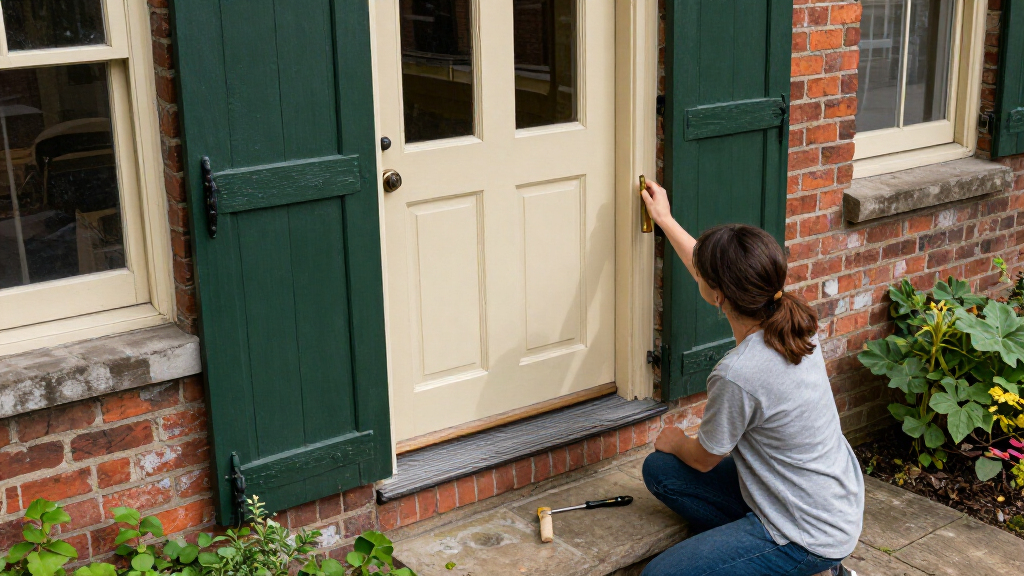
I ranked these ten options by how directly they address common historic-home exterior projects: treating exterior wood, adding period-oriented hardware or lighting, and changing brick’s appearance. Within wood products, I weighed the stated finish type, intended surface, container size, and how clearly a buyer can match the product to a defined job. For hardware and lighting, I focused on whether the form can support a period-appropriate exterior and on the need to verify scale, finish, and installation fit. For the brick kit, the main question was whether a buyer’s goal is compatible with altering the appearance of existing masonry.
The order reflects usefulness across likely projects, not a claim that one product suits every historic house. TWP’s Cedartone 1-gallon option ranks first as a focused wood-treatment choice; larger TWP packaging follows for broader jobs, while clear and semi-transparent water sealers and Ready Seal options fill different finish or application needs. Shutter hardware, a wall lantern, and brick whitewash rank by their more specific uses and the extra checks they require. I did not treat product labels as proof of historic compatibility: buyers should confirm surface suitability, finish expectations, local rules, and manufacturer directions before purchasing.
| historic home exterior product | Color |
|---|---|
| TWP 101 Pro-Series Cedartone E | Cedartone |
| Thompson’s WaterSeal Clear Mul | — |
| TWP 101 Pro-Series Cedartone O | Cedar Tone |
| TWP 101 Pro-Series Cedartone O | Cedartone |
| John Wright Small Georgetown S | — |
| Thompson’s WaterSeal Semi-Tran | Natural Cedar |
| Livex Lighting Westover 1-Ligh | — |
| Ready Seal Oil-Based Wood Stai | Natural Cedar |
| Ready Seal 112 Exterior Wood S | Natural Cedar |
| Giani Brick Transformations Wh | — |
Factors to Consider When Choosing Best Historic Home Exterior Products
Historic exteriors rarely call for one universal product. I would start with the material and the change you want to make, then check whether the product’s finish, installation, and upkeep fit the house and the project.
Start With the Existing Material and Its Condition
Identify whether the work involves siding, trim, shutters, masonry, or another surface before comparing labels. Old coatings can hide the original material, and a new product may not bond or perform as intended over an unknown finish. Check for peeling paint, soft or damaged wood, failed caulk, and moisture sources before applying a stain or waterproofer. A coating will not correct rot, poor drainage, or water entering behind trim. If the surface history is unclear, a small test area or advice from a qualified restoration professional can prevent a much larger repair. This step may change the shopping list more than choosing between two similar stain names.
Choose the Finish Before Choosing the Brand
Clear, semi-transparent, and pigmented finishes produce different visual results, even when all are marketed for exterior protection. A clear product may preserve more of the wood’s visible color, while a tinted stain changes its appearance and can make replacement boards harder to blend. Look at samples on the actual surface because existing weathering and wood species affect the result. Do not assume that a product described as a sealer is a stain, or that two products from one brand have the same purpose. On a prominent facade, compare the intended finish with photographs, paint history, or a less visible test patch before coating the whole elevation. Historic character often depends on restraint as much as color choice.
Check Preservation Rules Before Altering Original Features
Work on a designated historic property may be subject to local review, easements, or design guidelines. Requirements can cover paint colors, masonry coatings, replacement hardware, light fixtures, and even the removal of original details. Ask the local preservation office or review board before ordering products for a visible change. Brick deserves special care: a whitewash changes its appearance, and some masonry treatments can make future restoration more complicated. Keep samples, product instructions, and photos of the existing exterior for any approval discussion. A product that looks period-friendly is not automatically approved for every historic district.
Estimate Quantity and Plan the Work Around the Weather
Container size affects convenience, storage, and the risk of ending up with unused material, not just the amount of work a product can cover. Measure the surfaces, account for their texture and condition, and use the manufacturer’s stated coverage as a planning estimate rather than a guarantee. Historic siding may have many edges, repairs, and absorbent areas that change how much coating the job takes. Check temperature, rain, drying, and recoat directions before scheduling exterior work; an unsuitable weather window can affect the finish. For a small repair or first-time project, a smaller container can limit leftovers, while a larger format may suit a continuous, well-measured job. Buy enough for a consistent finish when possible, since later batches can differ in appearance.
Treat Hardware and Lighting as Scale Decisions
Shutter dogs and lanterns can make an exterior feel more coherent, but period style is not just a matter of selecting an old-fashioned shape. Compare dimensions, mounting method, finish, and placement with the building’s shutters, trim, and entry. A fixture that is too large or too polished can overwhelm a modest facade, while undersized hardware may look incidental. Confirm electrical requirements and weather exposure for a wall lantern, and check how shutter hardware attaches to the wall and shutter material. Photograph the elevation and measure the existing features before ordering. These steps help avoid a mismatch that a product listing alone cannot reveal.
Budget for Maintenance and Reversibility
The purchase is only one part of an exterior project; surface preparation, application tools, repairs, and future upkeep also affect the real workload. Compare manufacturer maintenance guidance and consider how often you are willing to inspect or refresh a finish. On historic homes, favor changes that preserve sound original material and can be maintained without repeated aggressive stripping. A dramatic masonry or color change may need more planning than a protective treatment on exposed wood. If two options meet the project’s needs, the one with a clearer care plan and a more manageable application process may be the better fit. Ask what returning the surface to its previous appearance would involve before making a hard-to-reverse choice.
Frequently Asked Questions
Can I use an exterior waterproofer on painted historic siding?
Do not assume a waterproofer can go over painted siding; products differ in the surfaces they accept, and the label’s directions should decide. Paint can prevent a penetrating treatment from reaching the wood, while applying an incompatible coating may cause adhesion or appearance problems. First identify the existing finish and check the product instructions for painted surfaces. If the finish is unknown, test a small, inconspicuous area and let it cure as directed before proceeding. On a protected or designated property, check local guidance before removing or covering original paint.
Should I choose a clear or semi-transparent finish for old wood?
Choose based on the appearance you want and the condition of the wood, not on the assumption that clear always looks more authentic. Clear products retain more of the visible surface, while semi-transparent finishes add color that can unify weathered boards but may obscure some variation. Test the finish on the same species and a similarly exposed section because age and absorption can shift the result. Also check whether the product is intended for the surface and existing coating. If the wood has historic paint or a documented finish, consult a preservation professional before changing it.
Is a 5-gallon stain container a better choice than a 1-gallon size?
A larger container makes sense when you have measured a substantial, continuous project and confirmed the product is appropriate for every surface. It can reduce the chance of running short mid-job, but it also leaves more material to store or dispose of if your estimate is wrong. Historic exteriors often include repairs and different surface conditions, so coverage may vary across one house. Use the manufacturer’s coverage guidance, add a reasonable allowance, and check storage instructions before choosing a size. For a small repair or a first application, a smaller container may be the safer way to limit waste.
Will whitewashing brick preserve the historic look of my house?
That depends on the building’s original finish, the condition of its masonry, and the rules that apply to the property. Whitewash changes brick’s visual character, so it may be unsuitable where exposed original brick is a defining feature or where preservation guidance restricts coatings. Ask the local preservation authority before applying anything to historic masonry. If the project is permitted, test a discreet area to judge how the brick and mortar take the finish. Do not use a small test as a substitute for checking product directions and masonry condition.
How do I tell whether a shutter dog or outdoor lantern suits my house’s period?
Compare the item’s scale and shape with the house’s architectural details, surviving hardware, and historic photographs rather than relying on a period-style label. Measure shutters, mounting locations, and nearby trim before selecting hardware. For lighting, check the fixture’s dimensions, finish, mounting requirements, and electrical fit against the entry or wall where it will sit. A product can be attractive on its own yet look out of scale on a particular facade. If the property is in a historic district, confirm whether visible replacements need approval before installation.
Conclusion
For the best overall wood-treatment pick, choose TWP 101 Pro-Series Cedartone in 1 gallon when its oil-based stain and protectant suit the surface and finish you want. The 5-gallon TWP option is the better fit for a measured, larger project, while Thompson’s WaterSeal Clear Multi-Surface Waterproofer is a specific alternative when a clear treatment matches the job and label directions. Buyers seeking a different stain-and-sealer option can compare Ready Seal Natural Cedar with TWP by application requirements and intended surface; do not treat the two listed Ready Seal products as proof of distinct performance without checking their specifications. For beginners, I would start with a small, clearly defined project and a smaller container, then test the finish before committing to a facade. Choose John Wright shutter dogs for a hardware update, the Livex Westover lantern for an exterior lighting change, or Giani Whitewash only when altering brick is appropriate and permitted. The premium choice depends on your project scale and priorities; I would not pay for a larger container or more transformative finish until measurements, surface compatibility, and preservation requirements are settled.
Black Friday Picks

Sonos Era 100 SL Wireless Speakers, Black, Pack of 2
As an affiliate, we earn on qualifying purchases.