
For music production, the Apple MacBook Pro 14.2-inch with M5 Pro, 48GB of memory, and 1TB SSD is my top pick because it balances raw CPU performance for heavy plugin loads with a portable frame and sane thermals for studio-to-studio work. If your sessions involve orchestral templates or dense mixing stems, the 16.2-inch M5 Max with 128GB memory is the ceiling of what Apple currently offers, while the 2024 M4 Max 16.2-inch (Renewed) delivers near-flagship horsepower at a friendlier price. The main tradeoff you’ll face in this category is power versus portability versus budget: bigger Max chips mean more RAM headroom and faster renders, but also more weight, more heat, and a bigger bill. Base M5 models handle bedroom production beautifully, but 16GB of unified memory becomes a ceiling fast once sample libraries grow. Keep reading for the full breakdown of which model fits which kind of producer.

Get furniture and decor delivered free with Prime
- Fast, free delivery on millions of items
- Prime Video, Amazon Music and more included
- Member-only deals all year
Complete the kit


Key Takeaways
- Memory capacity separated the top picks more than chip speed: 48GB or more of unified memory mattered more for large sample libraries than stepping from M5 Pro to M5 Max.
- The 14.2-inch M5 Pro with 48GB hit the sweet spot for most producers, while the 16.2-inch M5 Max with 128GB only made sense for scoring and orchestral-template work.
- Renewed M4 Max and M2 Max models outperformed new base-M5 machines for studio-only use, making refurbished Max chips the smart value play in this lineup.
- The 16GB base M5 MacBook Pro is fine for electronic music and beginners but will bottleneck Kontakt-heavy or mix-heavy sessions within a year or two of serious use.
- The 2019 Intel MacBook Pro remains usable for legacy setups but its fans, heat, and discontinued Rosetta-era limitations make it the weakest choice for a new DAW investment in 2026.




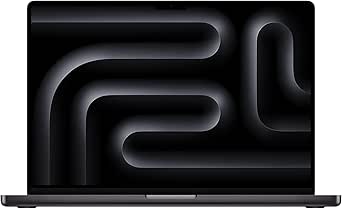
| macbook pro for music production | Display | Memory | Storage | Ports |
|---|---|---|---|---|
| Apple 14.2-inch MacBook Pro wi | 14.2-inch Liquid Retina XDR | 32GB unified memory | 1TB SSD | Three Thunderbolt 5, MagSafe 3, SDXC, HDMI, headphone jack |
| Apple MacBook Pro Laptop with | 16.2-inch Liquid Retina XDR | 128GB | 2TB SSD | Three Thunderbolt 5, MagSafe 3, SDXC, HDMI, headphone jack |
| Apple 2024 MacBook Pro Laptop | 16.2-inch Liquid Retina XDR | 48GB unified memory | 1TB SSD | Three Thunderbolt 5, MagSafe 3, SDXC, HDMI, headphone jack |
| Apple 2026 MacBook Pro Laptop | 16.2-inch Liquid Retina XDR | 24GB unified memory | 1TB SSD | Three Thunderbolt 5, MagSafe 3, SDXC, HDMI, headphone jack |
| Apple MacBook Pro 2023 with M2 | 16.2-inch Liquid Retina XDR | 32GB | 1TB SSD | MagSafe, three Thunderbolt 4, SDXC, HDMI, headphone jack |
| Apple MacBook Pro 14.2-inch wi | 14.2-inch Liquid Retina XDR | 48GB unified memory | 1TB SSD | Three Thunderbolt 5, MagSafe 3, SDXC, HDMI, headphone jack |
| Apple MacBook Pro 14.2-inch wi | 14.2-inch Liquid Retina XDR, 1600 nits peak | 64GB unified memory | 2TB SSD | — |
| Apple 2025 MacBook Pro Laptop | 14.2-inch Liquid Retina XDR | 16GB unified memory | 1TB SSD | Three Thunderbolt 4, MagSafe 3, SDXC, HDMI, headphone jack |
| Apple 16.2-Inch MacBook Pro wi | 16.2-inch Liquid Retina XDR | 36GB unified memory | 2TB SSD | Three Thunderbolt 5, MagSafe 3, SDXC, HDMI, headphone jack |
More Details on Our Top Picks
Apple 14.2-inch MacBook Pro with M5 chip, 32GB memory, and 1TB SSD, Space Black
This 14.2-inch M5 model hits the sweet spot for most music producers. The 32GB of unified memory is the number that matters here — it comfortably handles large sample libraries in Kontakt or Orchestral Tools while running Logic Pro alongside a heavy plugin chain. Compared with the 16.2-inch M5 Pro unit, you give up two inches of screen and some CPU headroom, but you gain a machine that actually fits in a backpack and moves between studio and sessions without strain. The Thunderbolt 5 ports leave room for fast external drives and audio interfaces, and the SDXC slot is a quiet blessing for anyone still importing samples from cards. The tradeoff is honest: heavy orchestral composers pushing past 100 tracks will eventually want more cores, and 3.41 pounds is not featherlight.
Pros:- 32GB unified memory handles large sample libraries smoothly
- Thunderbolt 5, HDMI, and SDXC ports cover every studio connectivity need
- 14.2-inch size makes it genuinely portable for gigging producers
- All-day battery survives long sessions away from power
Cons:- 10-core CPU will bottleneck on very large orchestral templates
- 3.41 pounds is still heavier than a MacBook Air for constant travel
Best for: Home and project studio producers who need sample-library headroom and a portable machine for live or collaborative sessions
Not ideal for: Film composers running massive orchestral templates — the base M5’s 10-core GPU and CPU ceiling will bottleneck before the M5 Pro or M5 Max options do
- Chip:Apple M5, 10-core CPU, 10-core GPU
- Display:14.2-inch Liquid Retina XDR
- Memory:32GB unified memory
- Storage:1TB SSD
- Ports:Three Thunderbolt 5, MagSafe 3, SDXC, HDMI, headphone jack
- Wireless:Wi-Fi 7, Bluetooth 6
- Weight:3.41 pounds
Our verdict“The most balanced pick for producers who want sample-library headroom, studio-ready ports, and real portability without paying for Max-level power they may never use.”
Apple MacBook Pro Laptop with M5 Max, 16.2-inch Display, 128GB Memory, 2TB SSD, Silver
For producers whose projects resemble film scores more than pop songs, this is where money converts directly into capability. The 128GB of unified memory is the headline — it lets you load entire orchestral libraries into RAM and keep them resident, something the 48GB M4 Max renewal simply cannot match. The 40-core GPU also future-proofs you as plugins increasingly lean on GPU-accelerated processing. The 16.2-inch XDR display gives serious mixing real estate, though unlike the 14-inch M5 model, this is a desk-first machine — its size and weight make laptop-stand-and-controller setups the realistic workflow. The honest drawback is diminishing returns: if your sessions top out at 40 tracks of synths and vocals, you are paying for headroom you will never touch.
Pros:- 128GB of memory keeps entire sample libraries loaded without disk streaming
- M5 Max with 40-core GPU handles the heaviest plugin loads and future GPU-accelerated tools
- 2TB SSD stores large sample libraries internally
- Six-speaker system with Spatial Audio is useful for quick reference checks
Cons:- Commands the highest investment in the lineup by a wide margin
- Large and heavy — realistically a desktop replacement, not a carry-around laptop
Best for: Professional film and media composers running multi-gigabyte orchestral templates and scoring stages who need everything loaded at once
Not ideal for: Beatmakers and singer-songwriter producers — a base M5 with 32GB will run their sessions identically at a fraction of the cost
- Processor:M5 Max, 18-core CPU
- GPU:40-core GPU
- Display:16.2-inch Liquid Retina XDR
- Memory:128GB
- Storage:2TB SSD
- Ports:Three Thunderbolt 5, MagSafe 3, SDXC, HDMI, headphone jack
- Wireless:Wi-Fi 7, Bluetooth 6
Our verdict“Buy this only if your sessions genuinely break smaller machines; otherwise the extra memory and GPU cores are expensive insurance.”
Apple 2024 MacBook Pro Laptop with M4 Max, 16.2-inch Liquid Retina XDR Display, 48GB RAM, 1TB SSD, Silver (Renewed)
This is the smart-money route to Max-class performance. An M4 Max with 48GB of unified memory still chews through dense mixing sessions and respectable orchestral loads, and a generation-old chip costs meaningfully less than the M5 Max flagship while delivering perhaps 85 percent of the real-world audio performance. Compared with the renewed M2 Max unit, the M4 Max is clearly the stronger buy — newer architecture, better efficiency, and Thunderbolt 5 for faster external storage. The catch is the renewed condition itself: warranty coverage may be shorter, and cosmetic wear varies by unit, which matters if you resell gear regularly. For producers who measure value in tracks-per-dollar rather than showroom shine, those are acceptable compromises.
Pros:- M4 Max delivers near-flagship mixing and plugin performance at reduced cost
- 48GB memory handles large sample libraries and dense sessions
- 16.2-inch XDR display provides excellent mixing and editing real estate
- Thunderbolt 5 support for fast external drives
Cons:- Renewed condition means limited warranty and possible cosmetic imperfections
- Heavy 16-inch form factor limits portability
Best for: Budget-conscious producers who want Max-tier mixing and sampling power without paying current-generation flagship pricing
Not ideal for: Buyers who want full manufacturer warranty and pristine cosmetics, or who plan to resell within a couple of years
- Processor:Apple M4 Max
- Display:16.2-inch Liquid Retina XDR
- Memory:48GB unified memory
- Storage:1TB SSD
- Ports:Three Thunderbolt 5, MagSafe 3, SDXC, HDMI, headphone jack
- Color:Silver
- Battery Life:All-day
Our verdict“The closest thing to a bargain in Max-class MacBooks — accept the renewed caveats and you get serious studio muscle for less.”
Apple 2026 MacBook Pro Laptop with M5 Pro Chip, 16.2-inch Liquid Retina XDR Display, 24GB RAM, 1TB SSD, Space Black
This one occupies the middle ground deliberately. The M5 Pro’s 18-core CPU gives it far more mixing horsepower than the base M5 in the 14-inch Best Overall pick, while costing well below the M5 Max tier. For producers whose bottleneck is track count and plugin count rather than sample-library size, that core count is exactly the right place to spend. The 16.2-inch display is the other argument: at 4.71 pounds it is the heaviest machine here, but if your studio setup is stationary, the extra screen space for arranging, mixing, and plugin windows pays off daily. The 24GB memory is the weak point — it is workable for electronic and rock production, but orchestral composers will feel the ceiling before they feel the CPU limit.
Pros:- 18-core CPU chews through high track counts and plugin-heavy mixes
- 16.2-inch XDR display gives ample room for arranging and mixing windows
- 1TB SSD stores substantial sample and project libraries
- Current-generation chip with strong efficiency and battery life
Cons:- 24GB memory is the tightest ceiling among the Pro and Max models here
- At 4.71 pounds, it is the least portable pick in the lineup
Best for: Electronic and band-focused producers with high track counts who mix at a desk and want a big screen plus strong multicore performance
Not ideal for: Orchestral and sample-heavy composers — 24GB will restrict library loading well before the CPU becomes the limiting factor
- Processor:Apple M5 Pro, 18-core CPU, 20-core GPU
- Display:16.2-inch Liquid Retina XDR
- Memory:24GB unified memory
- Storage:1TB SSD
- Ports:Three Thunderbolt 5, MagSafe 3, SDXC, HDMI, headphone jack
- Connectivity:Wi-Fi 7, Bluetooth 6
- Weight:4.71 pounds
Our verdict“A desk-centric producer’s machine that trades portability and memory for a big screen and serious core count at a saner price than Max territory.”
Apple MacBook Pro 2023 with M2 Max Chip, 16-inch, 32GB RAM, 1TB SSD, Silver (Renewed)
For producers who want Max-class chips at the lowest possible entry point, this renewed M2 Max is the floor — and a surprisingly capable one. The 12-core CPU and up to 38 GPU cores still handle dense Logic and Ableton sessions without complaint, and 32GB of RAM beats the newer M5 Pro’s 24GB, which matters if sample libraries are your priority over raw core speed. Set against the renewed M4 Max, this is clearly the value play rather than the performance play: two generations older, slower in single-core work, and equipped with Thunderbolt 4 instead of Thunderbolt 5. The up-to-22-hour battery rating remains excellent for mobile sessions. Renewed caveats apply here too, and Intel-era habits die hard — this is not the machine for anyone chasing the newest plugin tech.
Pros:- 32GB RAM handles large sample libraries better than newer lower-memory configs
- M2 Max with up to 38 GPU cores still powers demanding sessions
- Up to 22 hours of battery life for long mobile work
- Full port selection including MagSafe, SDXC, and HDMI
Cons:- Two generations old, with slower single-core and Thunderbolt 4 rather than Thunderbolt 5
- Renewed condition brings limited warranty and possible cosmetic wear
Best for: Producers on tight budgets who prioritize 32GB of RAM and Max-class power over having the latest generation
Not ideal for: Anyone wanting current-gen performance, Thunderbolt 5 speeds, or a full factory warranty on a work-critical machine
- Processor:Apple M2 Max, 12-core CPU, up to 38-core GPU
- Display:16.2-inch Liquid Retina XDR
- Memory:32GB
- Storage:1TB SSD
- Battery Life:Up to 22 hours
- Ports:MagSafe, three Thunderbolt 4, SDXC, HDMI, headphone jack
- Wireless:Wi-Fi 6E, Bluetooth 5.3
Our verdict“The cheapest legitimate path into Max-level performance with enough RAM for sampling — just go in knowing you are buying age and wear alongside the power.”
Apple MacBook Pro 14.2-inch with M5 Pro, 15-core CPU, 16-core GPU, 48GB Memory, 1TB SSD, Space Black
This is the pick I would point most producers toward, because 48GB of unified memory is the real dividing line for serious music work. Once you load orchestral libraries, multiple instances of Kontakt, and a mixing template with dozens of plugins, 16GB or 24GB machines start to sweat — this one doesn’t. Compared with the M5 Max model (B0GWS9J8KY), the M5 Pro trades raw GPU muscle for a lower price, and since DAWs lean on CPU and RAM far more than graphics, that trade works in a producer’s favor. The 14.2-inch chassis keeps it studio-and-gig portable, and three Thunderbolt 5 ports handle an audio interface, an external drive, and a display without a dock. The tradeoff: producers running massive sample libraries or video side-work may still want Max-tier memory headroom.
Pros:- 48GB unified memory comfortably handles large session templates
- Thunderbolt 5 ports run interface, drives, and external displays simultaneously
- Portable 14.2-inch size suits both studio and live work
- 1TB SSD provides ample space for sample libraries and sessions
Cons:- Max-tier chips offer more headroom for extreme sample-library workloads
- Premium price relative to base M5 configurations
Best for: Producers with large plugin and sample libraries who want headroom without paying for Max-tier hardware
Not ideal for: Film composers scoring to picture with huge orchestral templates — 64GB or 128GB configurations will serve better
- Processor:Apple M5 Pro, 15-core CPU
- Graphics:16-core GPU
- Memory:48GB unified memory
- Storage:1TB SSD
- Display:14.2-inch Liquid Retina XDR
- Ports:Three Thunderbolt 5, MagSafe 3, SDXC, HDMI, headphone jack
- External displays:Up to three
Our verdict“The balanced choice for most working producers — enough memory and CPU for big sessions at a saner price than the Max chips.”
Apple MacBook Pro 14.2-inch with M5 Max, 18-core CPU, 40-core GPU, 64GB Memory, 2TB SSD, Silver
When a session pushes past a hundred tracks of sampled instruments, memory capacity stops being a luxury and becomes the whole decision. This configuration’s 64GB of unified memory and 2TB SSD mean you can keep entire orchestral libraries resident and still have room for years of session files — something the 48GB M5 Pro model (B0GTWW52DT) can’t promise at the extremes. The 40-core GPU is honestly more than music production demands, but it future-proofs the machine for spatial audio rendering and video work. Supporting up to four external displays matters more than it sounds: score on one screen, mixer on another, video reference on a third. The honest tradeoff is that you’re paying a substantial premium for capability many producers will never fully tap.
Pros:- 64GB memory keeps huge sample libraries fully loaded
- 2TB SSD stores large instrument libraries and years of sessions
- Supports up to four external displays for scoring workflows
- 18-core CPU handles dense plugin chains without breaking a sweat
Cons:- Substantial price premium over Pro-tier chips for purely audio work
- Max-level GPU power goes largely unused by DAWs
Best for: Film and game composers running massive sampled-orchestra templates across multiple monitors
Not ideal for: Beat-makers and singer-songwriters working with 20-30 tracks — the M5 Pro model delivers the same experience for considerably less
- Chip:Apple M5 Max
- CPU:18-core
- GPU:40-core
- Memory:64GB unified memory
- Storage:2TB SSD
- Display:14.2-inch Liquid Retina XDR, 1600 nits peak
- External displays:Up to four
Our verdict“Buy it if your templates are measured in hundreds of gigabytes; skip it if yours fit on a single screen.”
Apple 2025 MacBook Pro Laptop with M5 Chip, 14.2-inch Liquid Retina XDR Display, 16GB RAM, 1TB SSD, Space Black
This model makes the most sense for producers whose sessions stay lean — electronic music, hip hop, podcast production, singer-songwriter demos. The base M5 chip is genuinely quick for tracking and light mixing, and the 1TB SSD is a smarter allocation of budget here than the RAM upgrade would be, since sample libraries are what eat storage first. Compared with the M5 Pro model (B0GTWW52DT), the gap shows up not in speed but in ceiling: once you stack orchestral libraries or run 60-plus tracks with heavy reverbs, 16GB becomes the wall you hit. Thunderbolt 4 rather than 5 is a non-issue for a single audio interface. The seamless Apple ecosystem integration also means Logic Pro and iPhone voice-memo capture flow straight into sessions.
Pros:- 1TB SSD gives generous sample-library space at an entry-level price point
- Modern M5 architecture runs Logic Pro efficiently with low latency
- All-day battery supports mobile and café-studio workflows
- Compact 14.2-inch footprint fits any desk setup
Cons:- 16GB of memory caps realistic session size
- Thunderbolt 4 instead of the Thunderbolt 5 found on Pro and Max models
Best for: Electronic producers, podcasters, and home-studio artists with moderate track counts and tight budgets
Not ideal for: Anyone planning orchestral or dense hybrid scoring work — 16GB of memory will cap out quickly
- Processor:Apple M5 chip, 10-core CPU and GPU
- Memory:16GB unified memory
- Storage:1TB SSD
- Display:14.2-inch Liquid Retina XDR
- Ports:Three Thunderbolt 4, MagSafe 3, SDXC, HDMI, headphone jack
- Battery:All-day
Our verdict“The right entry point if your sessions are simple and your storage needs are big — just know the memory ceiling is real.”
Apple 16.2-Inch MacBook Pro with M5 Max, 18-Core CPU, 32-Core GPU, 36GB Memory, 2TB SSD, Wi-Fi 7 (Space Black)
Some producers don’t need portable — they need a 16.2-inch screen that shows a full mixer and arrangement view at once, anchored to a studio desk. That’s this machine’s identity, and it carves out a role the 14.2-inch M5 Max model (B0GWS9J8KY) can’t: the same flagship chip with a bigger canvas, but with 36GB of memory instead of 64GB as the compromise that keeps it in reach. For mixing and production (rather than extreme orchestral sampling), 36GB is a comfortable amount. At 4.73 pounds, this is not a laptop you toss in a backpack for a session at a friend’s place — it’s the machine that replaces a desktop tower and stays put. Four-display support means a full control-room setup is on the table.
Pros:- 16.2-inch display shows full mixer and arrangement simultaneously
- M5 Max chip with 18-core CPU handles dense mixes effortlessly
- 2TB SSD and four-display support suit a permanent studio rig
- Thunderbolt 5 and full port spread eliminate the need for a dock
Cons:- 4.73-pound weight makes it impractical as a carry-everywhere machine
- 36GB of memory is a step down from the 64GB Max alternative for huge templates
Best for: Studio-based producers who want a big built-in screen and desktop-class power without owning a tower
Not ideal for: Mobile producers and DJs who travel to sessions — the size and weight defeat the point of a laptop
- Chip:Apple M5 Max
- CPU:18-core
- GPU:32-core
- Memory:36GB unified memory
- Storage:2TB SSD
- Display:16.2-inch Liquid Retina XDR
- Weight:4.73 pounds
- Ports:Three Thunderbolt 5, MagSafe 3, SDXC, HDMI, headphone jack
Our verdict“A studio-first flagship for producers who value screen real estate over portability — buy it for the desk, not the road.”

How We Picked
I judged every model here through one lens: how well it runs a modern DAW under real production pressure. That meant prioritizing unified memory capacity first, since sample libraries and plugin instances eat RAM before they tax the CPU; sustained multicore performance second, because bouncing, freezing, and rendering depend on consistent throughput rather than short benchmark bursts; and SSD capacity and speed third, because sample streaming from an internal drive is far smoother than from externals. I also weighed thermal behavior and fan noise, since a laptop that ramps its fans during a tracking session can ruin a take.
The ranking logic favors machines that stay ahead of a producer’s growing needs rather than ones that merely run today’s sessions. That’s why higher-memory configurations sit above faster-chip/low-RAM alternatives, and why renewed Max-chip models outrank new base-chip machines at similar capability levels. Portability, display quality, and port selection acted as tiebreakers between models with comparable studio performance, and the Intel-based 2019 model lands last because it fails the future-proofing test regardless of its price appeal.
| macbook pro for music production | Ports | Processor |
|---|---|---|
| Apple 14.2-inch MacBook Pro wi | Three Thunderbolt 5, MagSafe 3, SDXC, HDMI, headphone jack | — |
| Apple MacBook Pro Laptop with | Three Thunderbolt 5, MagSafe 3, SDXC, HDMI, headphone jack | M5 Max, 18-core CPU |
| Apple 2024 MacBook Pro Laptop | Three Thunderbolt 5, MagSafe 3, SDXC, HDMI, headphone jack | Apple M4 Max |
| Apple 2026 MacBook Pro Laptop | Three Thunderbolt 5, MagSafe 3, SDXC, HDMI, headphone jack | Apple M5 Pro, 18-core CPU, 20-core GPU |
| Apple MacBook Pro 2023 with M2 | MagSafe, three Thunderbolt 4, SDXC, HDMI, headphone jack | Apple M2 Max, 12-core CPU, up to 38-core GPU |
| Apple MacBook Pro 14.2-inch wi | Three Thunderbolt 5, MagSafe 3, SDXC, HDMI, headphone jack | Apple M5 Pro, 15-core CPU |
| Apple MacBook Pro 14.2-inch wi | — | — |
| Apple 2025 MacBook Pro Laptop | Three Thunderbolt 4, MagSafe 3, SDXC, HDMI, headphone jack | Apple M5 chip, 10-core CPU and GPU |
| Apple 16.2-Inch MacBook Pro wi | Three Thunderbolt 5, MagSafe 3, SDXC, HDMI, headphone jack | — |
Factors to Consider When Choosing Macbook Pro For Music Production
Choosing a MacBook Pro for music production is less about picking the fastest chip and more about matching the machine to how you actually work. Before spending on horsepower you may never use, work through the factors below.Unified Memory Is Your Real CPU Ceiling
The most common mistake producers make is buying maximum chip speed with minimum RAM. In Apple Silicon Macs, the GPU, CPU, and sample engine all draw from the same pool of unified memory, and once that pool fills, your DAW starts disk-swapping and glitching — no amount of core count saves you. A realistic floor for serious production is 32GB, with 48GB being the comfortable long-term target for anyone using Kontakt, Omnisphere, or orchestral libraries. What surprises many buyers is that a mid-tier chip with 48GB will feel faster in a real session than a Max chip with 24GB. Memory on Apple laptops cannot be upgraded later, so this is the single decision you cannot fix down the road.
Pro Chip vs. Max Chip: Who Actually Needs Max
The Max chips earn their premium in two specific scenarios: heavy virtual-instrument templates with hundreds of simultaneous voices, and producers who bounce or render large multitrack sessions regularly. For beat-making, electronic production, recording bands, or mixing a few dozen tracks, an M5 Pro delivers nearly identical real-world latency and responsiveness. The Max also brings better thermal headroom, which matters if you run your laptop closed under a desk near monitors. But the honest tradeoff is weight, heat, and price: a 16.2-inch Max machine is a desktop replacement, not something you toss in a backpack for sessions elsewhere. Buy Max for ceilings, Pro for balance.
SSD Size and the External Drive Question
Samples, project files, and recorded audio consume storage faster than almost any other creative work — a single orchestral library can claim 100GB or more on its own. My guidance is to treat 1TB as the working minimum for the internal drive, because you want your operating system, DAW, and most-used libraries on the fastest storage available. Thunderbolt external SSDs are excellent for archiving projects and secondary libraries, so you don’t need to pay Apple’s upgrade pricing for a 4TB internal drive. The mistake to avoid is the 512GB configuration: it fills within months and forces constant library shuffling that interrupts creative work. Budget for one good external Thunderbolt drive alongside whatever internal size you choose.
When Renewed MacBooks Are the Smarter Buy
Apple Silicon aged unusually well, which changed the refurbished math. A renewed M4 Max or M2 Max often outperforms a brand-new base M5 for studio work, purely because of its memory bandwidth and core count. The risks are real but manageable: buy from sellers with clear return windows, check battery cycle count if you work untethered, and confirm the machine isn’t Activation Locked. Renewed makes the most sense for a studio-bound machine that rarely travels and where cosmetic wear doesn’t matter. It makes less sense if you need the longest possible software-support runway or plan to resell in two years. Avoid renewed Intel models entirely for new studio builds — the software ecosystem has moved on.
Portability, Noise, and the Studio Environment
Fan noise is the underrated spec in music production. A laptop that spins up during a vocal take gets picked up by every microphone in the room, which is why thermals factored into my rankings. The 14.2-inch chassis runs quieter under moderate loads simply because it draws less power, while Max chips in the 16.2-inch body can become audible during long renders. If you track in the same room as your machine, consider an M5 Pro build and use rendering time for breaks. If your machine lives in a machine room or closet, the Max’s noise is irrelevant. Also check your interface connectivity: while these models carry Thunderbolt, count your ports against your interface, drives, and dongles before committing to a smaller machine without a hub.
Future-Proofing vs. Overspending
There’s a difference between buying headroom and buying anxiety. Producers often overestimate how much power they’ll need because forum posts from film composers skew expectations upward. A realistic approach: match your purchase to your actual track counts and plugin habits today, plus roughly 50 percent headroom. A bedroom producer with 20-track electronic projects doesn’t need 128GB — that money buys better monitors, acoustic treatment, or a nicer interface, all of which affect your recordings more than RAM you never touch. The producers who should stretch the budget are those who already feel their current machine struggling, not those who imagine future struggles. Spend where your bottleneck actually lives.
Frequently Asked Questions
Is a base M5 MacBook Pro good enough for music production, or do I need a Pro or Max chip?
For electronic music, hip-hop, podcast editing, and sessions under roughly 30 tracks, a base M5 handles Logic Pro or Ableton comfortably, and its efficiency keeps fan noise minimal during tracking. The limitation isn’t speed — it’s the 16GB memory ceiling on the entry configuration, which sample-heavy libraries will exhaust. A base M5 makes sense for beginners and travelers whose projects stay lean. The moment you load large orchestral libraries or mix with dozens of CPU plugins, the M5 Pro’s extra cores and higher memory options stop being a luxury. If you can afford the step up and plan to keep the machine for four-plus years, the Pro chip is the safer long-term buy.
How much RAM do I actually need for music production on a MacBook Pro?
For pop, electronic, and rock production with moderate plugin use, 24–32GB covers most workflows with room to grow. Orchestral composers, film scorers, and anyone running multiple Kontakt instances should target 48–64GB, and full-time template users building 300-plus track arrangements are the only ones who genuinely need 96GB or 128GB. Because Apple solders the memory, this is a one-time decision — you cannot add RAM later the way PC builders can. A useful self-check: open your biggest current session on any machine and look at memory pressure in Activity Monitor. If you’re already near the limit, buy the next tier above what feels comfortable, because project sizes only grow.
Are renewed MacBook Pros reliable for studio use, or is buying new worth it?
Renewed Apple Silicon MacBooks are generally reliable because the chips have no moving parts beyond the fans, and failure rates on M-series machines have been low across the board. What you’re really accepting is battery wear, possible cosmetic damage, and a shorter remaining window of macOS support — the M2 Max, for instance, will exit the update cycle a few years before an M5. For a studio machine that mostly sits on a desk plugged in, those tradeoffs are minor, and the capability-per-dollar of a renewed M4 Max or M2 Max is hard to beat. Buy from a reputable refurbisher with a return policy, verify battery health above 85 percent, and confirm the serial number is clean. If you depend on this machine for paid client work with tight deadlines, new hardware buys peace of mind that refurbished can’t fully match.
Does a 16-inch MacBook Pro offer any real advantage for music production over the 14-inch?
For production specifically, the 16-inch advantages are thermal and configurational rather than visual: the larger chassis enables the Max chip options and sustains higher performance for longer without throttling, which shortens render times on big sessions. The bigger screen also helps when editing automation lanes or managing a large mixer view, though many producers connect an external display in the studio anyway. The cost is portability — the 16-inch is noticeably heavier and bulkier in a backpack, which matters if you move between writing rooms, rehearsals, and home. Since the 14-inch now offers M5 Pro and M5 Max configurations with substantial memory, the size gap matters less than it used to. Choose 16-inch if the machine rarely leaves the desk; choose 14-inch if your studio is wherever you opened your laptop that day.
Can I still use an Intel MacBook Pro like the 2019 16-inch for music production in 2026?
It will run Logic Pro, Ableton, and most major DAWs today, and its 16GB of RAM and decent quad-core i7 still handle modest projects. But the compromises stack up quickly: fans run louder and hotter, battery life is a fraction of Apple Silicon, some plugin developers have dropped Intel builds entirely, and every year fewer new music software releases support it natively. As a secondary machine for sketching ideas or a legacy setup tied to old plugins, it can still earn its place. As your main studio computer or a new purchase, it’s money spent on a platform Apple has moved past — even an entry-level Apple Silicon model outperforms it for audio work. My honest recommendation is to treat Intel as a stopgap, not an investment.
Conclusion
For most producers, the 14.2-inch MacBook Pro with M5 Pro and 48GB of memory is the best overall pick — it has the memory headroom for serious sample libraries, stays quiet during tracking, and remains genuinely portable. If budget is the deciding factor, the renewed 2024 M4 Max with 48GB RAM is the best value in this lineup, delivering near-flagship studio performance for meaningfully less than a new machine. At the top end, the 16.2-inch M5 Max with 128GB is the premium choice for film scorers and orchestral-template composers who genuinely need that ceiling. Beginners and electronic producers should start with the base M5 14.2-inch and put the savings toward monitors, an interface, or acoustic treatment. For specific needs: the M5 Max 14-inch with 64GB suits mobile producers who want maximum power in a travel frame, the M5 Pro 16-inch with 24GB works well for producers who want the big screen on a tighter budget, and the renewed M2 Max remains a capable stopgap if the M4 Max renewal isn’t available. Whatever you choose, remember that memory and storage decisions are permanent on these machines — buy the headroom you’ll want in three years, not just what today’s sessions demand.