
TL;DR

Get furniture and decor delivered free with Prime
- Fast, free delivery on millions of items
- Prime Video, Amazon Music and more included
- Member-only deals all year
Homeowners are increasingly abandoning staging and decorating for potential buyers, choosing instead to design their homes for personal enjoyment. This shift is driven by changing attitudes toward homeownership and market conditions, though the trend is still emerging and not yet widespread.
More homeowners are choosing to stop decorating their homes with future buyers in mind and instead focus on creating spaces that reflect their personal tastes, according to recent trend observations. This shift indicates a changing approach to homeownership, where self-expression takes precedence over staging for resale. While still emerging, the trend has gained attention as a sign of evolving values among homeowners.
Observations from recent trend signals suggest that an increasing number of homeowners are forgoing traditional staging and neutral decor aimed at attracting buyers. Instead, they are personalizing their spaces, often with bold colors, unique furniture, and eclectic decor choices that suit their tastes. This change appears to be driven by a combination of factors, including a more relaxed housing market, increased remote work, and a desire for personal fulfillment in home design.
Industry experts note that this trend is still in its early stages, with limited data on how widespread it is. Some real estate professionals express concern that such personalized decorating could impact resale value, but others see it as a reflection of a broader cultural shift towards individualism and self-identity in homeownership. The trend is also linked to the growing influence of social media, where personal style is celebrated and shared widely.
Implications of Personal-Centric Home Design
This trend matters because it signals a potential shift in how people view homeownership and the purpose of their living spaces. As more homeowners prioritize personal expression over traditional staging, it could influence real estate markets, home design industries, and even the broader cultural understanding of what a home represents. If sustained, this shift might lead to more diverse and individualized housing styles, challenging conventional expectations of resale-ready homes.
Products Worth Considering

Bose Lifestyle Ultra Wireless Home Speaker

Levoit Core 400S-P Smart Air Purifier for Large Rooms
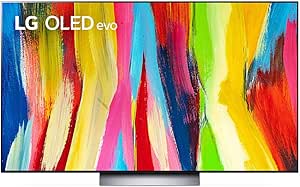
LG C2 Series 65-Inch OLED evo 4K Smart TV (OLED65C2PUA, 2022)
As an affiliate, we earn on qualifying purchases.
Growing Interest in Personal Home Design Trends
The trend of designing homes for oneself rather than future buyers has gained traction amid broader social changes, including increased remote work and a desire for personal fulfillment. Historically, staging and neutral decor were considered essential for maximizing resale value, but recent reports indicate a slow but noticeable departure from this norm. Search interest and media coverage on personalized home styling have spiked, suggesting a rising awareness and adoption among homeowners. The exact trigger for this shift remains unconfirmed, but market conditions and cultural attitudes are likely contributing factors.
Extent and Future of the Personal Home Design Trend
It is not yet clear how widespread this trend will become or whether it will significantly impact the housing market. Data on actual homeowner behavior remains limited, and the influence of external factors such as market conditions and social media trends is still being evaluated. The long-term implications for resale value and real estate practices are also uncertain, as this shift is still in its early stages.
Monitoring Adoption and Market Impact
Future developments include tracking how widely homeowners adopt personalized design practices and whether real estate markets respond differently to homes styled for personal expression. Industry observers will watch for changes in resale values, marketing strategies, and consumer preferences. Researchers and market analysts may also explore whether this trend influences new home construction and interior design standards.
Key Questions
Why are homeowners choosing personal design over staging?
Many homeowners are prioritizing self-expression, increased remote work, and a desire for authentic living spaces, which outweighs traditional staging concerns.
Could this trend affect home resale values?
It is uncertain; personalized decor might appeal to some buyers but deter others, potentially impacting resale prices depending on market conditions.
Is this trend limited to certain regions or demographics?
Currently, the trend appears more prominent among younger homeowners and urban residents, but data is limited, and it may expand to other groups.
Will real estate professionals adapt to this shift?
Some professionals are beginning to recognize the trend and may adjust marketing strategies, but widespread industry change is still developing.
Source: rss