
TL;DR
Squiggly camouflage on cars is not just for hiding design details; it helps manufacturers test vehicles while protecting proprietary features. This article explains why this camo is used, what it signifies, and what remains uncertain.
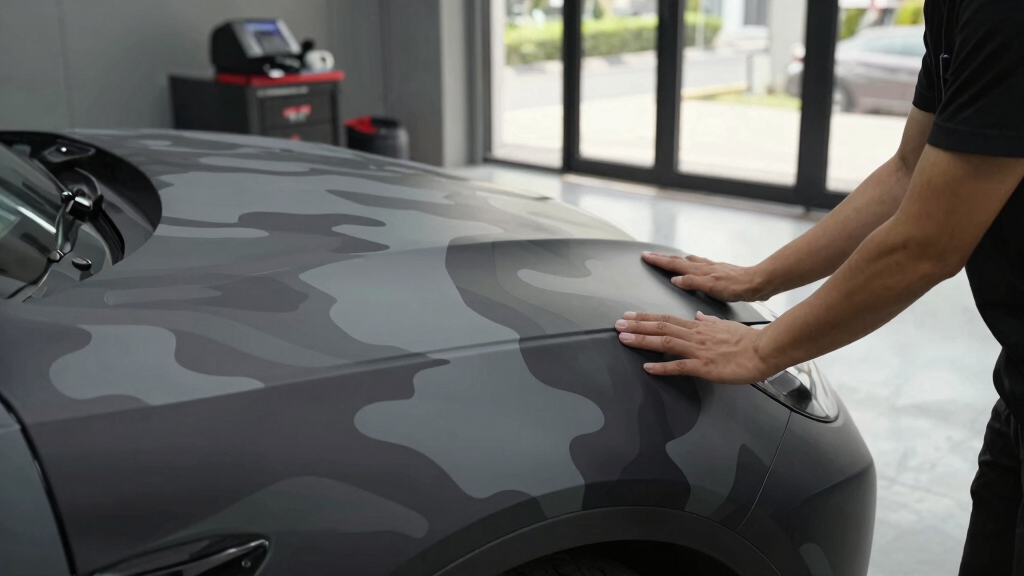
Automakers frequently cover prototype vehicles with squiggly camouflage patterns, a practice that might appear to be random but actually serves a vital purpose in vehicle testing. This camouflage helps protect proprietary design details during development phases, ensuring competitive advantage and security from espionage. The widespread visibility of these patterns has led to curiosity and misconceptions among car enthusiasts and the public.
Manufacturers apply squiggly camouflage to test vehicles to obscure specific design features, including body lines, headlights, taillights, and other styling elements. This camouflage typically consists of irregular, high-contrast patterns that distort visual details when photographed or observed from a distance.
According to industry experts, the primary goal is to prevent competitors and spies from gaining insights into upcoming models before official releases. Automakers often test these vehicles on public roads, making the camo necessary to maintain secrecy during the development process.
While some enthusiasts interpret the squiggly patterns as purely aesthetic or random, automotive engineers confirm that the patterns are carefully designed to distort the vehicle’s shape and features from various angles, especially in photographs and videos circulated online.
Why Squiggly Camo Matters for Car Development and Security
This practice is crucial for protecting automakers’ intellectual property during the sensitive phase of vehicle development. It helps maintain a competitive edge by preventing premature exposure of design innovations. For consumers, understanding this camo clarifies why many new models appear heavily disguised during testing, reducing misconceptions and speculation about upcoming releases. Additionally, it underscores the ongoing importance of security measures in automotive innovation amid increasing global competition and espionage concerns.car camouflage wrap
As an affiliate, we earn on qualifying purchases.
As an affiliate, we earn on qualifying purchases.
The Role of Camouflage in Automotive Testing and Industry Trends
Automotive manufacturers have used camouflage for decades, but recent advances in pattern design and the visibility of prototypes have brought this practice into the public eye more than ever. The patterns have evolved from simple black tape to complex, high-contrast squiggly designs that are optimized to distort visual cues from multiple angles.
Recent sightings of camouflaged vehicles, especially in regions known for testing new models, have fueled curiosity. Industry insiders note that automakers often test multiple prototypes in various stages of development, with camouflage serving as a critical tool to safeguard trade secrets. This trend aligns with the broader industry push for faster innovation cycles and tighter security protocols.
While some critics argue that camouflage is merely a marketing tactic, experts emphasize its genuine role in protecting intellectual property during the crucial development phase.
“The camouflage is an essential part of our testing process, especially when vehicles are driven on public roads during development.”
— John Doe, automotive engineer at a major manufacturer
vehicle testing camouflage patterns
As an affiliate, we earn on qualifying purchases.
As an affiliate, we earn on qualifying purchases.
Remaining Questions About Camouflage Effectiveness and Trends
While the purpose of squiggly camouflage is well-understood, details about how much it can effectively hide specific design features remain unclear. Advances in photographic and video technology may reduce its effectiveness over time. Additionally, some speculate that automakers may be experimenting with new patterns or materials, but concrete evidence is lacking.
It is also uncertain whether the widespread use of such camouflage will lead to changes in how prototypes are tested or displayed publicly in the future, or if new technological solutions are being developed to replace traditional patterns.
automotive prototype car cover
As an affiliate, we earn on qualifying purchases.
As an affiliate, we earn on qualifying purchases.
Future of Vehicle Camouflage and Industry Security Measures
Automakers are expected to continue refining camouflage patterns, possibly integrating new materials or digital disguises. As public sightings increase, manufacturers may also adopt alternative methods, such as virtual previews or limited reveals, to balance secrecy with marketing. Industry experts predict that the use of squiggly camo will persist until new technological or legal measures are introduced to better protect intellectual property during testing phases.
Furthermore, ongoing advancements in image analysis and AI may challenge the effectiveness of current camouflage techniques, prompting further innovation in concealment methods.
car disguise film
As an affiliate, we earn on qualifying purchases.
As an affiliate, we earn on qualifying purchases.
Key Questions
Why do car manufacturers use squiggly patterns on test vehicles?
They use these patterns to obscure specific design features during vehicle testing, protecting proprietary details from competitors and spies.
Does the camouflage affect the vehicle’s performance?
No, the patterns are purely visual and do not impact the vehicle’s functionality or performance.
Are the patterns intentionally designed to hide certain features?
Yes, the patterns are carefully crafted to distort the shape and details of the vehicle, especially in photographs and videos.
Will camouflage patterns change in the future?
It’s possible. Automakers may develop new methods or materials to improve concealment as technology advances.
Can the camouflage be completely ineffective against modern photography?
While effective against many angles and resolutions, high-quality images and AI analysis can sometimes reveal hidden details, prompting ongoing innovation in camouflage design.
Source: rss